If you are looking for a Denver-area neighborhood that feels private, polished, and close to nature, BackCountry usually lands on the shortlist fast. But a beautiful entry gate and mountain views do not tell you whether the community actually fits how you want to live day to day. This guide will help you understand what BackCountry is really like, who it tends to suit best, and what to weigh before you make a move. Let’s dive in.
What BackCountry Feels Like
BackCountry is a gated, private, resort-style community within Highlands Ranch. It is known for mountain views, a more secluded setting, and a strong connection to open space and wildlife. At the same time, it sits within the much larger Highlands Ranch community, which spans about 22,000 acres and includes 26 parks and more than 70 miles of trail.
That balance is a big part of BackCountry’s appeal. You get a conservation-minded setting that feels tucked away, but you are not choosing an isolated enclave cut off from the rest of suburban Denver. For many buyers, that mix of privacy and access is exactly the point.
Gated Access Shapes Daily Life
One of the clearest signs of fit is how you feel about controlled access. BackCountry is intentionally private, and prospective buyers must schedule a visit through the seller’s agent. Residents and invited guests enter through the gatehouse and transponder system.
For some buyers, that structure creates peace of mind and a stronger sense of privacy. For others, it can feel too regulated or less spontaneous than an open neighborhood. If gated living is high on your wish list, BackCountry checks that box in a very visible way.
Homes and HOA Structure
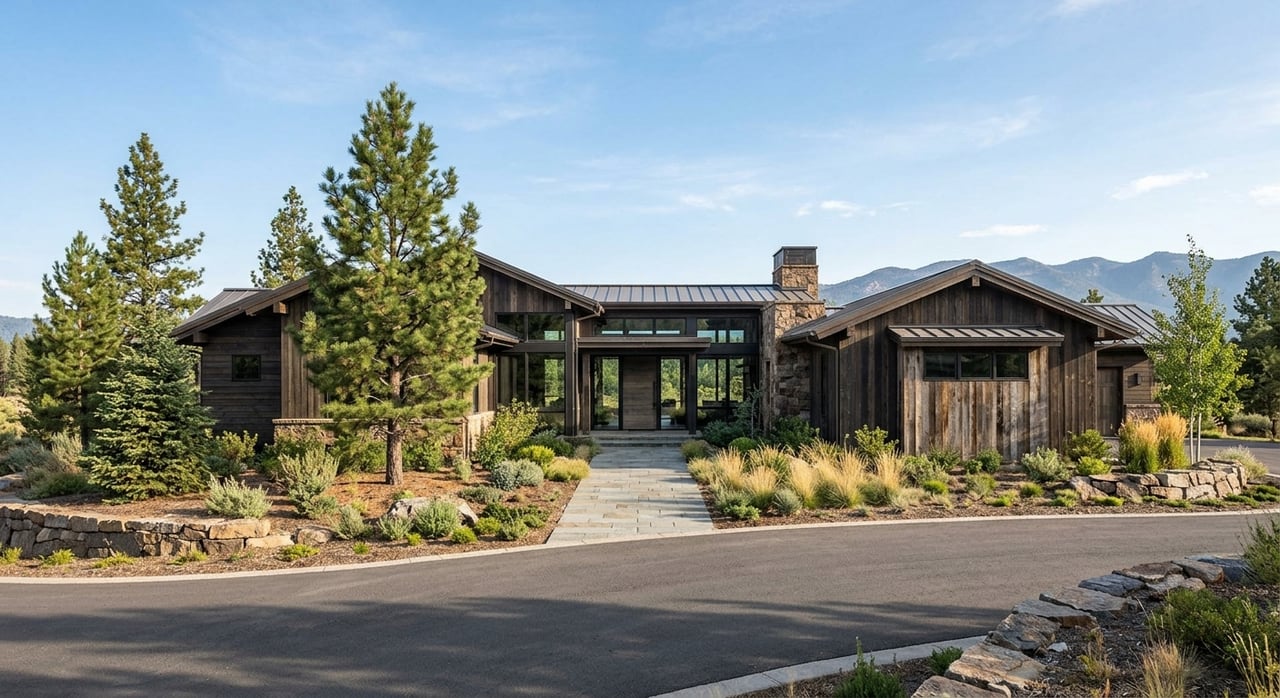
BackCountry is custom-home oriented, and that tends to attract buyers who value a more cohesive look and feel. The Highlands Ranch Community Association identifies BackCountry among custom-built-home filings, and exterior changes to a home, lot, or landscaping require ARC approval before work begins.
That usually means stronger design consistency throughout the community. It also means you should expect more oversight than you would in a neighborhood with a lighter HOA structure. If you like order and well-maintained surroundings, this can be a plus. If you want broad freedom to change exterior elements whenever you like, it may feel restrictive.
The ownership structure is also layered. BackCountry Association describes itself as a sub-association of HRCA and the Highlands Ranch Metro District, and the monthly assessment includes trash and recycling, management of common areas, snow removal on major streets and local service areas, and community events.
Amenities That Define the Lifestyle
For many buyers, the amenities are what separate BackCountry from other luxury options in the south Denver metro. The Sundial House serves as the central hub, with dining at Campus Lounge and Pikes Pub, an outdoor terrace and fire pit, a resort-style pool, massage and treatment rooms, a fitness and movement studio, and spaces for private events and gatherings.
Just outside the main gate, the Discovery Center adds a coffee shop and conference space. Together, these spaces make the community feel active and service-oriented rather than simply scenic. If you want lifestyle amenities built into your neighborhood experience, this is one of BackCountry’s strongest selling points.
A Social Community or a Quiet Retreat?
BackCountry is private, but it is not purely quiet or anonymous. The community offers resident groups such as book club, cooking club, run club, networking club, car club, Mahjong, and Friends Over Fifty.
That tells you something important about the culture. This is a neighborhood with organized social opportunities and visible community programming. If you enjoy meeting neighbors through shared interests, that can be a major advantage. If you prefer a more hands-off environment with minimal group activity, it is worth noting before you buy.
Trails and Open Space Matter Here
BackCountry’s trail access is one of its biggest differentiators. The area includes more than 25 miles of natural-surface trails, including 11.2 miles of private trails for residents and accompanied guests, plus another 12 miles of the public Douglas County East/West Regional Trail that passes through the area.
There is also an important conservation component. The Wildcat Mountain Trail System closes from January 1 through March 31 for wintering wildlife, and some trails may also close for eagle nesting. That is a useful reminder that the open space here is managed with habitat protection in mind, not just recreation.
If you want a neighborhood where trails are part of everyday life, BackCountry stands out. If you expect year-round access to every trail at all times, the conservation-first approach is something to understand upfront.
How BackCountry Compares Nearby
Luxury buyers in the Denver area often compare several communities before narrowing in. BackCountry tends to sit in a distinct middle ground.
BackCountry vs. Castle Pines Village
Castle Pines Village is also gated and private, but its identity is strongly tied to golf, with two Jack Nicklaus golf courses, three recreation facilities, and about 12 to 13 miles of trails. BackCountry is also amenity-rich and trail-focused, but it leans more toward clubhouse living and hiking than golf-centered living.
BackCountry vs. Ravenna
Ravenna presents more like a private club community near Chatfield Reservoir and Pike National Forest, with golf, fitness, and hospitality as key features. BackCountry feels more like a larger master-planned residential neighborhood with a clubhouse, trail network, and HOA-managed lifestyle rather than a boutique golf club setting.
BackCountry vs. Cherry Hills Village
Cherry Hills Village is known for preserving a low-density, semi-rural character, with large parcels and estate-style privacy. Compared with that model, BackCountry offers more shared amenities, more community structure, and a more defined gated format.
In practical terms, BackCountry often appeals to buyers who want luxury and privacy, but who also want built-in amenities and a more connected neighborhood experience than a classic estate setting might provide.
Who BackCountry Is Best For
BackCountry is often a strong fit if you want:
- Gated access and a private setting
- Mountain views and a strong connection to open space
- Trail access built into daily life
- A custom-home environment with design consistency
- Resort-style amenities and resident programming
- A neighborhood within the larger Highlands Ranch amenity ecosystem
This community can be especially appealing if you are relocating and want a neighborhood that feels established and highly managed from day one. It can also make sense for buyers who value convenience, shared amenities, and a polished overall presentation.
Who May Want Something Else
BackCountry may be a weaker fit if your priorities lean in a different direction. You may want to keep looking if you prefer:
- Minimal HOA oversight
- Broad flexibility for exterior changes
- A more open-access neighborhood
- Acreage-style estate living
- A less social, less programmed community environment
- Unrestricted access to all nearby trails year-round
None of those are negatives on their own. They are simply signs that another community may align better with the way you want to live.
Questions to Ask Before You Buy
When buyers are seriously considering BackCountry, I usually recommend getting clear on a few day-to-day questions:
- How do you feel about gate access for guests and service providers?
- Do ARC rules feel reassuring or limiting to you?
- Will you use the clubhouse, dining, pool, or fitness spaces regularly?
- Do resident clubs and organized events sound fun or unnecessary?
- Is a conservation-first trail system part of the appeal for you?
- Are you looking for a private neighborhood inside a larger suburban system, or something more independent?
Your answers can tell you a lot. In a community like BackCountry, lifestyle fit matters just as much as square footage or finishes.
The Bottom Line on BackCountry
BackCountry is not just a luxury neighborhood with nice homes. It is a structured, private, amenity-rich community designed for people who value nature, design consistency, and a resort-like lifestyle within Highlands Ranch.
If that combination sounds like the way you want to live, BackCountry can be a compelling option in Douglas County. If you are weighing it against Castle Pines Village, Ravenna, Cherry Hills Village, or other luxury communities, the real question is less about which one is best overall and more about which one fits you best.
If you want help comparing communities, narrowing your options, or understanding how BackCountry fits into the broader Denver luxury market, Tina Christensen would be glad to help you make a confident move.
FAQs
Is BackCountry in Highlands Ranch a gated community?
- Yes. BackCountry uses controlled access, and residents and invited guests enter through a gatehouse and transponder system.
Are BackCountry Highlands Ranch trails private?
- Mostly. The area includes private trails for residents and accompanied guests, along with the public Douglas County East/West Regional Trail that passes through the area.
Do BackCountry homeowners need approval for exterior changes?
- Yes. Exterior modifications to the home, lot, or landscaping require ARC approval before work begins.
Does BackCountry Highlands Ranch have social activities?
- Yes. The community has resident clubs and organized programming, including groups focused on books, cooking, running, networking, cars, and more.
What amenities are available in BackCountry?
- The community includes the Sundial House with dining, a pool, fitness and movement spaces, massage and treatment rooms, event space, and gathering areas, plus the Discovery Center with a coffee shop and conference space.
Is BackCountry a good fit for buyers who want low-HOA living?
- Usually no. BackCountry is more structured and HOA-managed than a low-oversight neighborhood, which is a benefit for some buyers and a drawback for others.