Remodeling a home in Colorado isn’t just about updating aesthetics—it’s about enhancing function, energy efficiency, and long-term value in one of the country’s most dynamic housing markets. With its wide range of architectural styles, elevation variations, and four-season climate, Colorado presents unique challenges and opportunities when it comes to home improvements. Whether a homeowner resides in a historic Denver bungalow, a suburban Highlands Ranch ranch-style house, or a contemporary foothills property, applying the right renovation strategies can significantly improve a home’s appeal and market position.
These remodeling tips Colorado homeowners can use are designed to maximize ROI, enhance livability, and meet the specific demands of local buyers. With thoughtful planning, local insight, and strategic upgrades, a remodel can do more than modernize—it can transform a home into an efficient, desirable, and competitive property in today’s market.
Prioritize Energy Efficiency
Given Colorado’s variable climate—cold winters, hot summers, and high elevation sun exposure—energy efficiency is one of the most impactful places to start when remodeling. Updating insulation, sealing windows and doors, and installing energy-efficient HVAC systems are improvements that not only lower monthly utility bills but also attract environmentally conscious buyers. The addition of programmable thermostats and Energy Star-rated appliances is particularly effective in the Denver area, where green building practices are both promoted and valued.
In older neighborhoods such as Park Hill or Washington Park, many homes were built long before modern energy codes, making them ideal candidates for efficiency-focused upgrades. These homes may benefit from new windows that offer UV protection or from adding solar panels that complement sustainability goals and appeal to today’s eco-minded buyers. For those considering resale, these types of updates are increasingly expected rather than optional, especially in competitive markets.
In older neighborhoods such as Park Hill or Washington Park, many homes were built long before modern energy codes, making them ideal candidates for efficiency-focused upgrades. These homes may benefit from new windows that offer UV protection or from adding solar panels that complement sustainability goals and appeal to today’s eco-minded buyers. For those considering resale, these types of updates are increasingly expected rather than optional, especially in competitive markets.
Kitchen and Bath Remodels with Regional Appeal
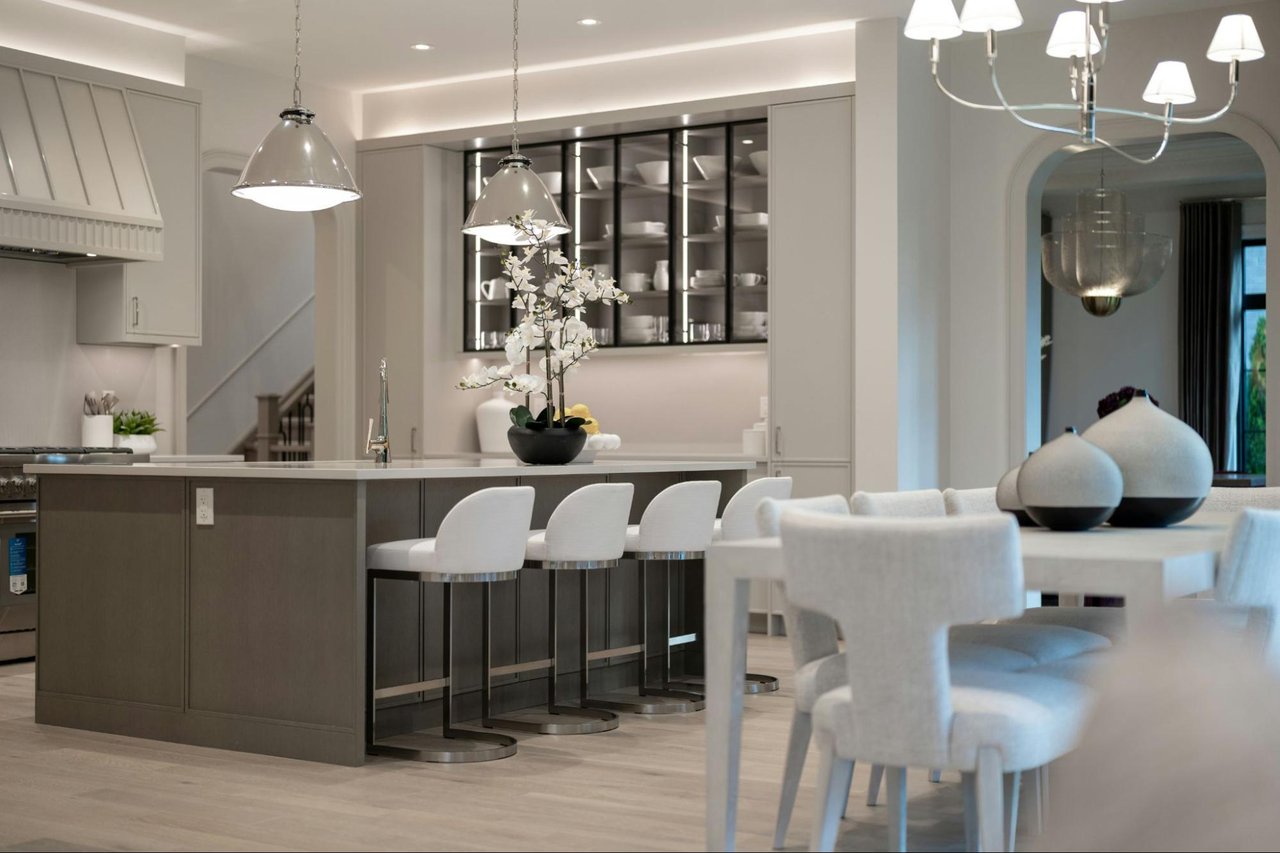
While kitchen and bathroom remodels are universally seen as high-ROI projects, tailoring them to reflect Colorado lifestyles is essential. In mountain or suburban homes where entertaining and outdoor access are common, open-concept kitchens with natural finishes such as stone, quartz, or reclaimed wood are in demand. For urban homes, sleek, modern designs with smart appliances and compact storage solutions tend to resonate more with city buyers.
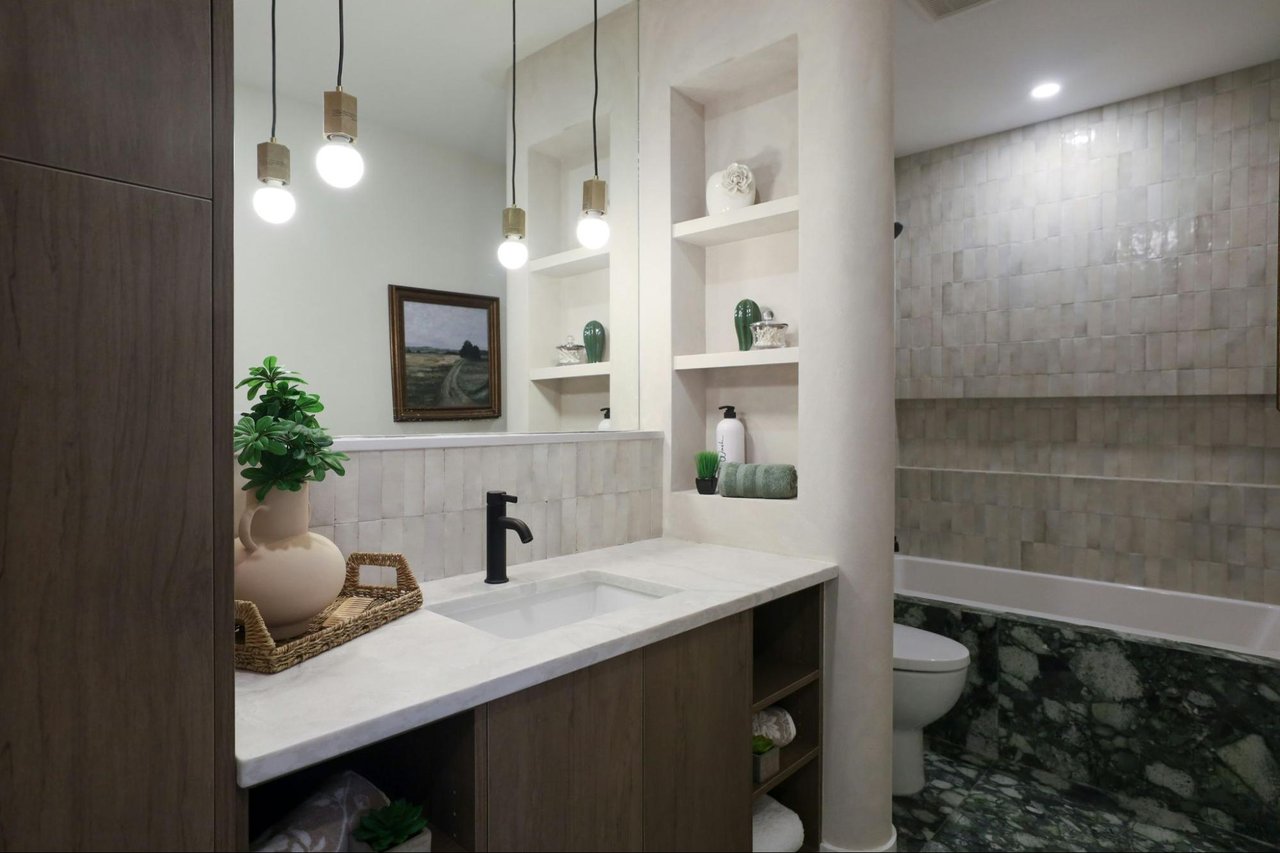
Bathroom renovations that incorporate spa-like features—such as deep soaking tubs, rainfall showers, radiant floor heating, or natural stone finishes—can be especially attractive in higher-end markets like Boulder, Cherry Creek, or Castle Rock. The key to success with these renovations lies in balancing luxury with practicality, especially in areas prone to snow and temperature swings. Water-resistant materials, well-insulated windows, and durable flooring should be part of every design plan.
Incorporating locally sourced materials or natural elements can also boost appeal. Stone tile, wood beams, or earthy color palettes reflect Colorado’s outdoor heritage and connect the design to its surroundings—an approach that continues to drive interest in properties across the state.
Bathroom renovations that incorporate spa-like features—such as deep soaking tubs, rainfall showers, radiant floor heating, or natural stone finishes—can be especially attractive in higher-end markets like Boulder, Cherry Creek, or Castle Rock. The key to success with these renovations lies in balancing luxury with practicality, especially in areas prone to snow and temperature swings. Water-resistant materials, well-insulated windows, and durable flooring should be part of every design plan.
Incorporating locally sourced materials or natural elements can also boost appeal. Stone tile, wood beams, or earthy color palettes reflect Colorado’s outdoor heritage and connect the design to its surroundings—an approach that continues to drive interest in properties across the state.
Create Flexible Living Spaces
One of the most popular remodeling tips Colorado homeowners can take advantage of today is designing for flexibility. As remote work and hybrid schedules become more permanent fixtures in modern life, the need for adaptable home spaces has surged. Converting an unused bedroom into a home office, adding a soundproofed studio, or finishing a basement to create a media room or guest suite are practical ways to increase functionality and perceived value.
Colorado buyers increasingly look for homes that offer separation of space for productivity and relaxation. In Denver’s family-friendly neighborhoods or mountain resort communities, this can also include designing multi-purpose rooms that function as both play areas and exercise spaces or building out ADUs (Accessory Dwelling Units) for extended family or rental income.
Finished basements are a particularly valuable asset in Colorado homes due to the cooler temperatures and potential for added living space. A well-lit, moisture-proof basement can be turned into a secondary suite or entertainment hub that appeals to multigenerational buyers or investors alike.
Colorado buyers increasingly look for homes that offer separation of space for productivity and relaxation. In Denver’s family-friendly neighborhoods or mountain resort communities, this can also include designing multi-purpose rooms that function as both play areas and exercise spaces or building out ADUs (Accessory Dwelling Units) for extended family or rental income.
Finished basements are a particularly valuable asset in Colorado homes due to the cooler temperatures and potential for added living space. A well-lit, moisture-proof basement can be turned into a secondary suite or entertainment hub that appeals to multigenerational buyers or investors alike.
Pay Attention to Outdoor Living
Given the state’s abundance of sunny days and mountain views, it’s no surprise that outdoor living continues to rank among the most impactful upgrades. Patios, decks, fire pits, and built-in grilling areas extend the living space and increase a home’s usability throughout spring, summer, and even into fall. In more temperate areas like Denver, the addition of covered patios or pergolas allows for year-round use.
Landscaping is another key part of curb appeal and should be tailored to Colorado’s semi-arid environment. Drought-tolerant plants, xeriscaping, and smart irrigation systems not only conserve water but also reduce maintenance—an attractive feature for both primary residents and second-home buyers. In luxury communities, outdoor kitchens, hot tubs, or custom-built fireplaces add a layer of high-end functionality that can set a property apart.
Proximity to recreational amenities, such as trails, golf courses, or the best country clubs in Colorado, also influences outdoor design choices. Homeowners who remodel with the surrounding environment and lifestyle in mind often see stronger interest from buyers.
Landscaping is another key part of curb appeal and should be tailored to Colorado’s semi-arid environment. Drought-tolerant plants, xeriscaping, and smart irrigation systems not only conserve water but also reduce maintenance—an attractive feature for both primary residents and second-home buyers. In luxury communities, outdoor kitchens, hot tubs, or custom-built fireplaces add a layer of high-end functionality that can set a property apart.
Proximity to recreational amenities, such as trails, golf courses, or the best country clubs in Colorado, also influences outdoor design choices. Homeowners who remodel with the surrounding environment and lifestyle in mind often see stronger interest from buyers.
Use Materials That Can Withstand Colorado’s Climate
Another essential item on the list of remodeling tips Colorado property owners should consider is material selection. With weather ranging from heavy snowfall in the mountains to sun exposure at high altitude, it’s vital to use durable and weather-resistant materials. For example, roofing materials like metal or high-impact asphalt shingles are better suited to withstand hailstorms and snow loads.
Siding choices such as fiber cement or stucco not only endure harsh conditions but also maintain their appearance with less upkeep. Deck materials like composite lumber can withstand moisture and UV exposure more effectively than traditional wood. These decisions may seem small, but they contribute to long-term durability, which is something both current owners and future buyers appreciate.
Siding choices such as fiber cement or stucco not only endure harsh conditions but also maintain their appearance with less upkeep. Deck materials like composite lumber can withstand moisture and UV exposure more effectively than traditional wood. These decisions may seem small, but they contribute to long-term durability, which is something both current owners and future buyers appreciate.
Be Strategic About Permits and Codes
Denver and many Colorado municipalities have strict permitting requirements for home remodels, especially when it comes to structural changes, electrical updates, or anything involving plumbing. Before beginning any renovation, homeowners should check local zoning codes and permit requirements, particularly in historic districts or HOAs.
Working with local contractors and architects who are familiar with Colorado’s regulatory environment can streamline the process and help avoid costly mistakes. Some improvements, such as adding an egress window to a basement bedroom, may be required for the space to be legally considered livable, which has a direct impact on resale value and marketability.
Working with local contractors and architects who are familiar with Colorado’s regulatory environment can streamline the process and help avoid costly mistakes. Some improvements, such as adding an egress window to a basement bedroom, may be required for the space to be legally considered livable, which has a direct impact on resale value and marketability.
A Remodel That Works for Today and Tomorrow
A successful remodel is one that improves the home’s function and value now while anticipating future buyer needs. Colorado’s market continues to evolve, and buyers are increasingly focused on long-term livability, energy savings, and low-maintenance design. Whether planning a light cosmetic update or a full-scale renovation, approaching the project with a local perspective ensures that every decision aligns with market expectations and lifestyle demands.
With proper planning, the right materials, and a focus on flexibility and efficiency, these remodeling tips Colorado homeowners can follow will lead to improvements that not only enhance everyday living but also make the home more attractive when it comes time to sell.
With proper planning, the right materials, and a focus on flexibility and efficiency, these remodeling tips Colorado homeowners can follow will lead to improvements that not only enhance everyday living but also make the home more attractive when it comes time to sell.
Remodeling Support from Local Experts
Connect with Christensen Collective today to discuss the most impactful remodeling strategies for your Colorado home. Their team brings deep local insight, design-forward thinking, and real estate expertise to help homeowners make smart investments that elevate both function and resale potential.