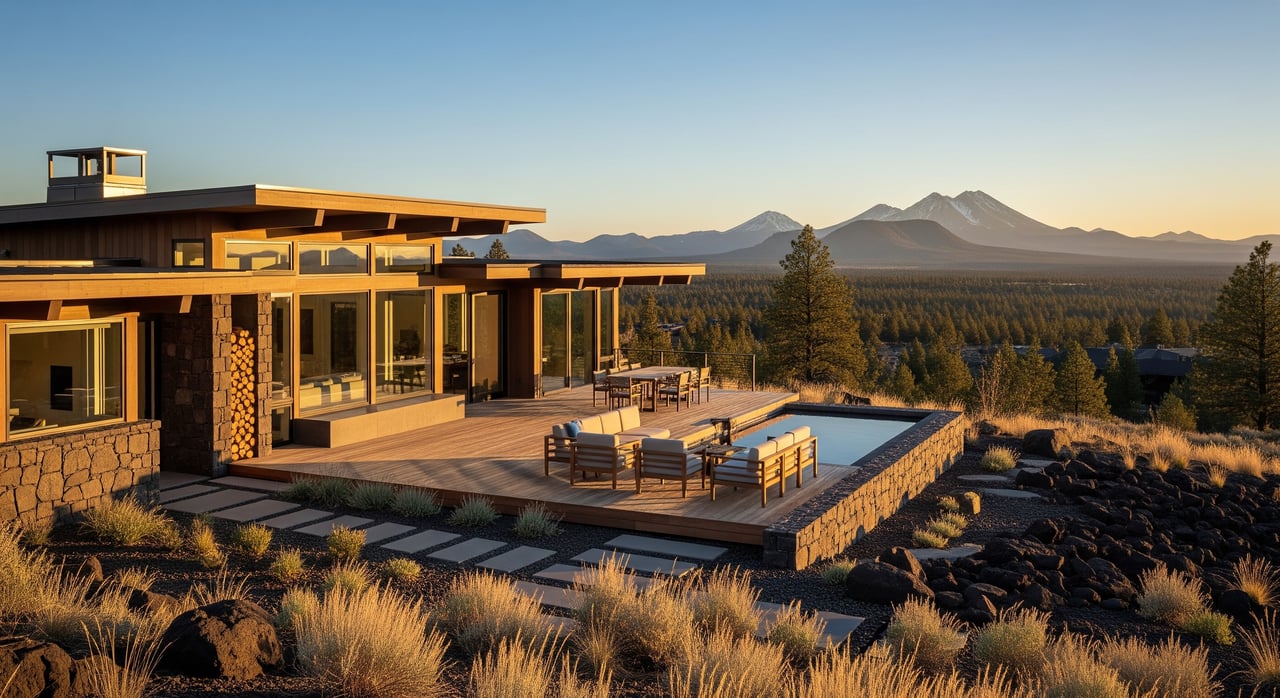
You are dreaming about Central Oregon’s sunshine, trails, and easygoing pace, but choosing the right community can feel overwhelming from a distance. You want the daily rhythm to fit your lifestyle, not just your Pinterest board. In this guide, you’ll get a simple, practical framework to narrow options before you visit, plus an on-the-ground plan to tour like a local and make a confident decision. Let’s dive in.
What matters most when you relocate
Relocating buyers usually weigh the same core questions: lifestyle fit, commute reliability, schools and childcare, outdoor access, housing type, and total cost of ownership. Central Oregon spans urban Bend, suburban towns, resort communities, and true rural acreage. Winters bring snow in higher elevations and sometimes in town, which shapes driving and recreation. Cities sit inside Urban Growth Boundaries, while many properties just outside are on county land with different zoning, utilities, and permitting. Keep those differences in view as you compare options.
Map your lifestyle to a community type
Urban Bend
If you want walkable amenities, restaurants, arts, and bike infrastructure, start with in-town Bend neighborhoods. You’ll find denser services, quick access to medical centers, and an active social scene. Expect smaller lots than rural areas and more activity, especially near popular parks and river corridors.
Questions to ask:
- How close do you want to be to grocery, gyms, clinics, and daycare?
- Do you prefer biking to errands or a quieter street pattern?
- What level of seasonal visitor traffic feels right for you?
Suburban and smaller towns
Redmond and Sisters offer distinct downtowns, a bit more space, and different price points compared to some Bend neighborhoods. Redmond also has manufacturing and aviation jobs, plus proximity to the regional airport. These towns can deliver a calmer pace with reasonable access back to Bend for work or healthcare.
Questions to ask:
- What is your acceptable commute to Bend, Redmond, or the airport during typical work hours?
- Do you want a smaller-town vibe with a defined main street and community events?
- Is a larger yard a priority over walkability to many restaurants?
Resort and vacation-focused areas
Places like Sunriver and certain river-adjacent pockets emphasize recreation and seasonal amenities. You get trails, river access, and a strong outdoor rhythm. Visitor traffic can be higher in peak seasons, which some buyers love and others prefer to avoid.
Questions to ask:
- How often will you use ski, bike, and water access each week?
- Are you comfortable with the ebb and flow of seasonal visitors?
- Do HOA rules and amenities align with your goals, including short-term rental policies?
Rural acreage and ranch parcels
If you crave privacy, room for hobbies, or space for animals, rural properties can be a great fit. Many rely on wells and septic systems and may have longer drives for services. Winter access and road maintenance vary, so confirm who plows and maintains shared roads.
Questions to ask:
- How far is the nearest grocery, gas, and urgent care, and is that distance comfortable?
- Are you ready to manage well, septic, and potential higher heating costs?
- What are the wildfire mitigation needs and insurance implications for the parcel?
Commute and transportation
Drive times depend on your specific address and season. Test your route to Bend’s employment centers, Redmond, Sunriver, and hospitals at your usual commute hours. In winter, plan for snow or ice on some routes.
- Public transit: Cascades East Transit connects parts of the region, with varying service levels. Bend has local routes, but evening and weekend options can be limited.
- Airport: Redmond Municipal Airport is the primary commercial airport for Central Oregon. If you travel often, proximity can be a deciding factor.
- Active transport: Bend’s bike network is significant. If bikeability matters, map dedicated routes near your target neighborhoods.
Checklist:
- Time the commute during your typical hours, and repeat in winter if possible.
- Note congestion hotspots like US 97 during peak summer and weekends to Mt. Bachelor.
- Confirm parking, garage space, and EV charging needs at home.
Schools and childcare
District boundaries do not follow ZIP codes. That includes 97712 and other local ZIPs, so always verify the exact school assignment for a property address through the district. Central Oregon offers public schools, charter options, and private programs, with after-school care and extracurriculars varying by neighborhood.
Practical steps:
- Confirm school assignment for any address through the local district.
- Ask schools about enrollment capacity, transportation, and waitlists.
- Visit during drop-off or pick-up to gauge commute time and daily logistics.
Recreation and seasonality
Many buyers choose Central Oregon for outdoor access. Mt. Bachelor anchors local skiing and snowboarding. Bend’s trail networks, like those near Phil’s Trail and Wanoga, deliver extensive mountain biking. The Deschutes River corridor offers fishing, floating, and parks, while Smith Rock near Redmond is a world-class climbing destination. The Cascade Lakes and reservoirs offer summer boating and paddling.
Seasonal tips:
- Expect heavier summer traffic to popular trailheads and lakes.
- Confirm winter road maintenance for rural subdivisions and private roads.
- Factor in drive time to your top priorities and how often you will actually use them.
Housing types, zoning, and utilities
Inside a city’s Urban Growth Boundary you’ll typically see municipal zoning, city water and sewer, and city permitting. Outside, you’re likely on county land with different rules, larger minimum lot sizes, and wells and septic systems.
Common options:
- In-town single-family homes, condos, and townhomes
- Newer subdivisions with HOAs and amenities
- Manufactured or modular homes in certain areas
- Acreage parcels and rural residential properties
Due diligence focus:
- Utilities: Confirm city water and sewer or private well and septic. For wells, review well logs, yield, and water quality. For septic, check system age, capacity, and drainfield location.
- Broadband: Service varies outside town centers. Verify providers and speeds at the address, then run a speed test during touring.
- Permitting and SDCs: New construction in cities often triggers System Development Charges that can add to closing costs. Amounts vary by jurisdiction.
Costs beyond the list price
Budget for property taxes and local levies, homeowner’s insurance that may reflect wildfire risk, and energy costs for cold winters. Rural owners should also account for well and septic maintenance, possible private road fees, and higher heating costs for wood or propane. If an HOA is involved, include dues and any special assessments in your analysis.
Wildfire, water, and environmental risks
Wildfire risk is a key consideration across Central Oregon. Ask about defensible space, ember-resistant construction details, and local evacuation routes. Insurance premiums can vary by risk and mitigation efforts.
For rural properties, water is critical. Confirm well permit history and any groundwater restrictions. Review FEMA flood maps and county hazard layers for floodplain or other environmental considerations.
Market dynamics and timing
Central Oregon demand has been strong over time, with conditions shifting based on inventory, interest rates, and hiring. Inventory can be tight in certain price bands, and new construction may offer options with longer timelines and added SDCs. Expect neighborhood-level variability. The same square footage can price differently in high-amenity Bend locations versus outlying towns. Track current data through local market reports and confirm figures before deciding.
A simple 3-step short list
- Define your must-haves. Rank daily amenities, commute limits, school needs, and recreation priorities. Note dealbreakers.
- Pick your lifestyle bucket. Choose up to two from Urban Bend, Suburban or smaller towns, Resort-focused, or Rural acreage. Match each to your ranked priorities.
- Score three candidates. Give each a simple 1 to 5 for commute, amenities, recreation, housing type, and total cost. Keep the top two for in-person touring.
Pre-visit research checklist
- Verify school assignments for candidate addresses through the district
- Pull recent sales and active inventory for your price band in target areas
- Confirm broadband providers and speeds for each address
- Review county and city parcel maps for zoning, access, easements, and flood overlays
- Price out property taxes, insurance with wildfire coverage, HOA dues, and estimated utilities
- Connect with a local relocation-focused agent to design an efficient tour plan
Your 3-day tour plan
Day 1: Orientation and essentials
- Walk downtown Bend or your preferred town center to sample amenities
- Visit prospective schools and childcare centers
- Stop by a grocery, gym, and clinic near each candidate neighborhood
Day 2: Commute and community fit
- Drive your commute to Bend, Redmond, and the airport during typical hours
- Tour three neighborhoods that match your lifestyle bucket
- Test cell coverage and run a speed test inside each home you visit
Day 3: Rural or specialty focus and due diligence
- If rural, meet a well or septic specialist for a consult on maintenance and lifespan
- Review wildfire mitigation needs and evacuation routes for each area
- Compare utility bills, HOA rules, and maintenance history for top homes
On-the-ground checklist
- Streets and access: Sidewalks, lighting, snow storage, driveway grade
- Noise and activity: Traffic patterns, pet activity, nearby venues
- Home systems: HVAC age, insulation quality, pipe freeze risk
- Water and waste: Well logs and water test, septic inspection and pump history
- Documents: HOA covenants, short-term rental rules, easements
- Sun and shade: Yard exposure for gardens, solar, or snowmelt
How we help you decide with confidence
Choosing the right Central Oregon community is personal. You deserve a guide who knows the neighborhoods, understands rural due diligence, and can coordinate a tour that matches your priorities. If you want a calm, concierge experience, curated options, and clear data to back your decision, connect with Tina Christensen to design your move.
FAQs
How should I choose between Bend and nearby towns?
- Start with your lifestyle and commute. Bend offers more amenities and bike infrastructure, while Redmond, Sisters, and La Pine can trade a shorter price-per-square-foot for a different pace and commute pattern. Score each against your top priorities and test drive times.
Is broadband reliable for remote work in rural Central Oregon?
- Many in-town areas have strong options, but rural parcels vary by provider and infrastructure. Always verify providers and speeds by address, then run a live speed test during your tour.
How do school boundaries work when ZIP codes overlap?
- School district lines do not follow ZIP boundaries. Confirm the exact school assignment for any property through the district and ask about capacity, transportation, and enrollment timelines.
What should I know about wells and septic systems?
- For wells, review permit history, yield, and lab water quality results. For septic, confirm system age, capacity, drainfield location, and pump or repair records. Budget for ongoing maintenance.
How important is wildfire mitigation when buying here?
- Very important. It affects safety, insurance, and resale. Ask about defensible space, ember-resistant features, local fire district resources, and evacuation routes, then plan and budget for mitigation.
Should I buy inside a city’s UGB or on rural county land?
- Inside the UGB you typically get municipal services and predictable permitting near amenities. Rural parcels offer more space and privacy, with wells, septic, and longer drives. Choose based on your daily rhythm and maintenance comfort.