Wondering why some BackCountry homes feel instantly compelling while others linger, even in a strong market? In a neighborhood where buyers are paying close attention to views, outdoor living, and overall presentation, the details matter. If you want your home to stand out for the right reasons, a thoughtful prep plan can help you protect value, reduce distractions, and launch with confidence. Let’s dive in.
Why BackCountry prep is different
BackCountry is not just another Highlands Ranch neighborhood. It is closely tied to the HRCA Backcountry Wilderness Area, an 8,200-acre conservation property with more than 25 miles of natural-surface trails, along with broader access to HRCA recreation amenities.
That setting shapes buyer expectations. People are often drawn to the connection between the homes, the managed open space, and the outdoor lifestyle, so your sale preparation should support that story from the first photo to the final showing.
It also means accuracy matters. The wilderness area is private property with designated trail access, member and accompanied guest use rules, and occasional closures for wildlife, seasonal conditions, and erosion control. If your home benefits from that setting, the right approach is to present it clearly and truthfully.
Start with exterior compliance
Before you tackle visible exterior updates, check whether approval is required. BackCountry owners are expected to review architectural guidelines and submit approval requests before exterior work begins.
This is an important first step because buyers notice unfinished projects, mismatched improvements, and maintenance that looks overdue. A polished exterior helps with curb appeal, but in this community it can also help you avoid issues tied to visible noncompliance.
Review paint before listing
Exterior paint deserves special attention. HRCA requires approval for exterior painting even if you plan to keep the same color, and annual paint surveys look for peeling, fading, spotting, erosion, and similar wear.
If your paint shows age, freshening it up can do two things at once. It improves first impressions and helps your home feel well cared for from the street and in listing photos.
Check decks and additions
Buyers in BackCountry tend to notice whether outdoor features feel original to the home or added later without much thought. HRCA guidelines say additions should match the original structure’s materials, colors, and rooflines.
That means decks, covered patios, and similar features should read as integrated and intentional. If something looks visually disconnected, it may be worth repairing, refining, or simplifying before you go live.
Clean up fencing and visible equipment
Fence condition can quietly influence how finished a property feels. In BackCountry, some fencing adjacent to open space has specific requirements, and certain fence sections require a designated Highlands Ranch Fence Brown stain.
Visible outdoor equipment can also distract from the setting. If equipment can be screened or stored out of view when not in use, that small step can make your outdoor areas feel more spacious and more refined.
Protect the view story
If your home backs to open space, your rear view may be one of your strongest selling points. In BackCountry, view protection is not just a marketing angle. HRCA guidelines define and protect certain views from the rear outside main living area of homes adjoining open space.
That creates a practical takeaway for sellers. You want your outdoor presentation to support clear sightlines rather than compete with them.
Simplify the backyard
A busy yard can weaken one of your home’s best assets. Too much furniture, oversized planters, decorative pieces, or visible storage can break up the visual connection between the house and the landscape.
A cleaner look often works better here. Think restrained styling, open sightlines, and a layout that lets the backdrop do its job.
Frame vistas with landscaping
BackCountry’s landscape guidelines reflect local climate realities like low precipitation, low humidity, variable winds, and wide temperature swings. They also encourage landscaping that frames mountain vistas while respecting neighboring views.
For sellers, that usually means aiming for tidy, drought-aware, low-clutter landscaping. Trim where needed, remove anything overgrown or tired, and make sure the outdoor space feels maintained rather than overworked.
Prep for photography carefully
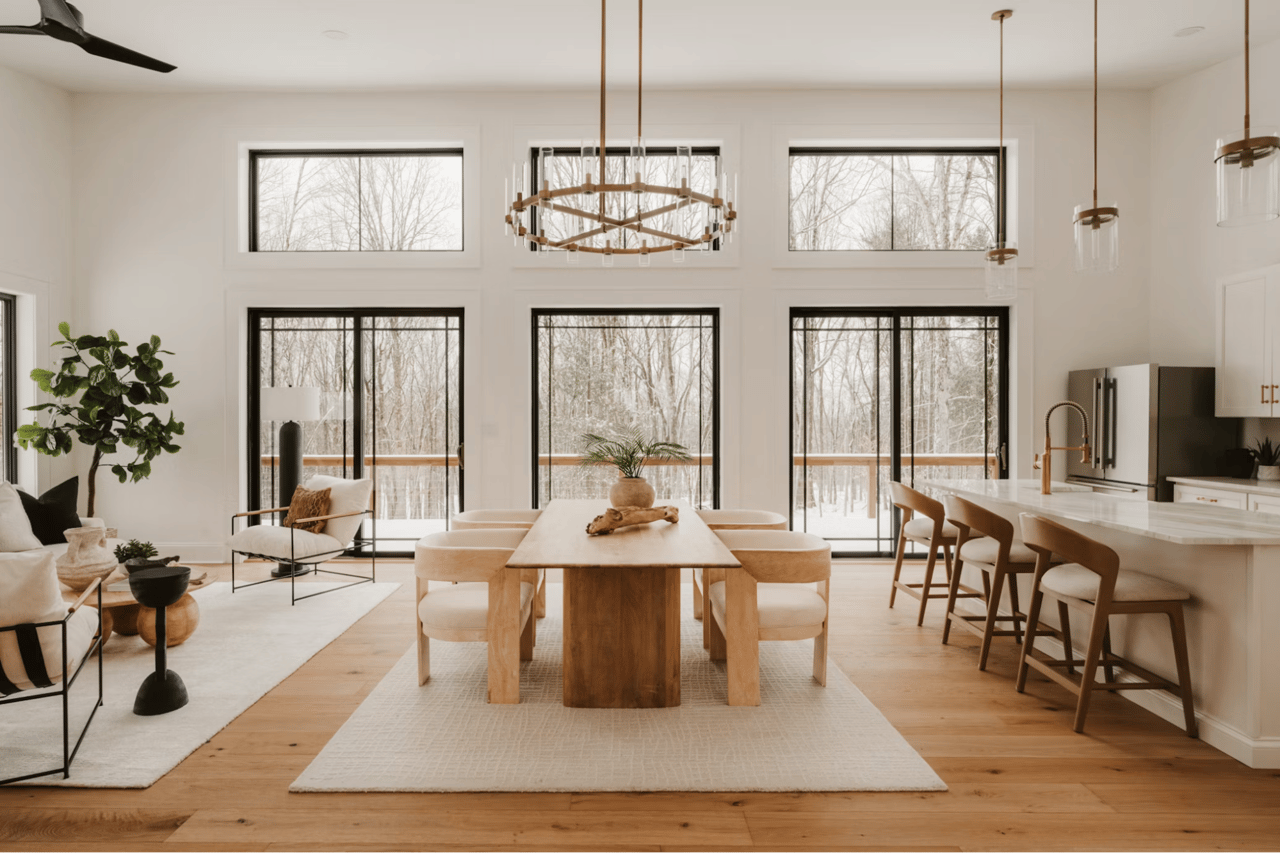
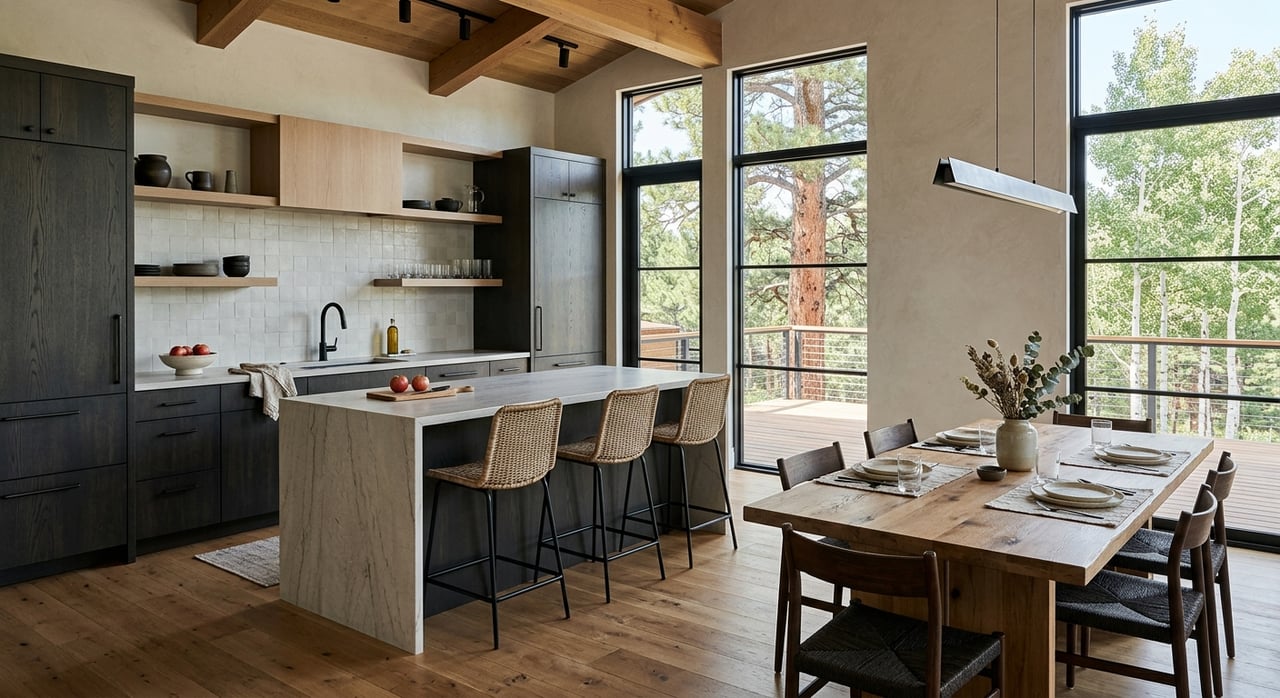
Open-space lots need a photo plan that highlights what buyers will actually value. Clear windows, clean hardscape, and minimal backyard clutter help emphasize the rear-facing view from the home’s main living areas.
This is where strategic presentation can pay off. When the home and landscape feel visually connected, photos tend to look calmer, brighter, and more premium.
Make outdoor living feel intentional
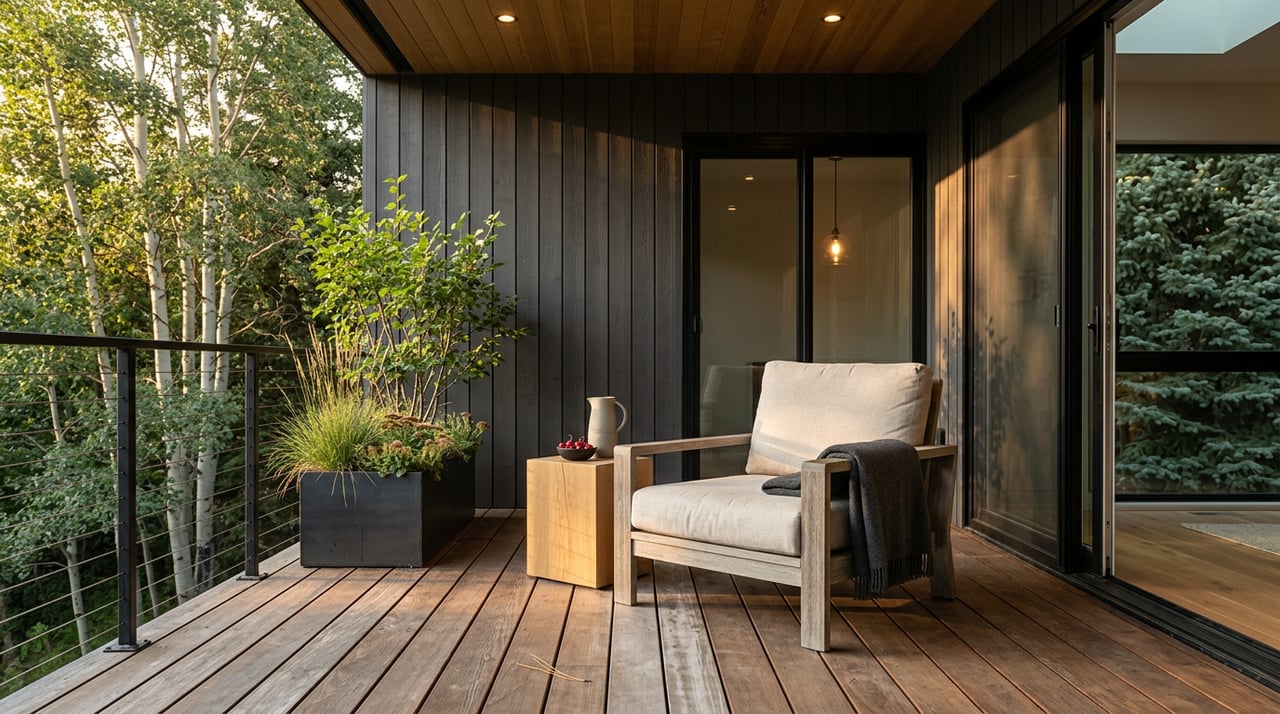
In BackCountry, outdoor spaces often carry real weight in a buyer’s decision. Patios, decks, and seating areas should feel like extensions of the home, not leftover spaces that happen to exist.
Start with maintenance. Sweep surfaces, wash railings, freshen cushions if needed, and remove anything that feels weathered, crowded, or out of place.
Then think about flow. A simple seating arrangement, a dining area with breathing room, or a clean lounge setup can help buyers picture how the space lives day to day.
Screen storage and utility areas
Storage units and outbuildings should feel discreet. HRCA guidelines note that composite storage units should be screened and neutral, and accessory buildings should not obstruct views on open-space lots.
If you have these features, the goal is not to draw attention to them. The goal is to make them blend in so buyers stay focused on the home itself.
Price as BackCountry, not just Highlands Ranch
Even excellent prep cannot solve a pricing strategy that misses the mark. BackCountry should be treated as its own luxury segment, not lumped into broad Highlands Ranch averages.
Recent market snapshots make that clear. Realtor.com reported a BackCountry median listing price of $1.85 million in April 2026, a median sold price of $1.4775 million, 19 active listings, a 32-day median on market, and a 98% sale-to-list ratio. It also described BackCountry as a seller’s market in March 2026, with homes selling for an average of 1.74% below asking.
By comparison, Redfin reported the broader Highlands Ranch market at a median sale price of $690,000 in March 2026, with homes selling in about 13 days and a 99.2% sale-to-list ratio.
That gap matters. If you price your home based on generic Highlands Ranch data, you risk missing the nuances that buyers in BackCountry care about most.
Use micro-market comps
The best pricing strategy starts with neighborhood-specific comps. That is especially true for homes with open-space exposure, protected rear views, and upgraded outdoor living areas.
Those details can shape buyer perception in a way that broad averages simply cannot capture. A well-prepared pricing strategy should account for your specific lot, setting, and presentation level.
Avoid the overpricing trap
There is an important lesson in the difference between BackCountry’s median listing price and median sold price. Buyers may be willing to pay a premium here, but they are still comparing value carefully.
Strong presentation helps justify your number, but overpricing can lead to longer days on market and more room for negotiation. The goal is to position your home as premium and well-supported, not merely aspirational.
Your BackCountry seller checklist
If you want a practical starting point, focus on the items most likely to affect buyer perception and launch readiness:
- Confirm ARC approval requirements for any visible exterior change
- Touch up or repaint worn exterior surfaces as needed
- Clean and refresh fencing where needed
- Simplify yard decor and remove visual clutter
- Make patios and decks feel clean, cohesive, and maintained
- Screen or store outdoor equipment out of sight when possible
- Keep storage areas neutral, discreet, and orderly
- Trim landscaping to preserve clear sightlines
- Clean windows to strengthen view-oriented photography
- Price using BackCountry-specific comps, not broad Highlands Ranch averages
Presentation is your edge
In BackCountry, buyers are not only evaluating square footage and finishes. They are also responding to how well a home fits its setting, how polished it feels, and how clearly it delivers on the lifestyle they expect.
That is why seller prep here should be both strategic and selective. When your exterior is compliant, your views are emphasized, your outdoor spaces feel intentional, and your pricing reflects the neighborhood’s true micro-market, your home is in a much stronger position to stand out.
If you are getting ready to sell in BackCountry and want a thoughtful plan for presentation, pricing, staging, and launch strategy, Tina Christensen can help you prepare your home with clarity and confidence.
FAQs
What should BackCountry sellers do before making exterior updates?
- Review the community’s architectural guidelines and confirm whether ARC approval is required before starting any exterior work.
Why does exterior paint matter when selling a BackCountry home?
- Exterior paint affects curb appeal and may also relate to community standards, since HRCA requires approval for exterior painting and monitors visible wear like peeling, fading, and spotting.
How should sellers prepare a BackCountry home that backs to open space?
- Focus on clear rear-facing sightlines, clean windows, restrained landscaping, and minimal outdoor clutter so the connection between the home and the open-space setting is easy to see.
How should sellers talk about Backcountry Wilderness Area access?
- Describe it accurately as a private, managed conservation area with designated trails, member and accompanied guest access rules, and occasional closures tied to conditions and wildlife protection.
Why should BackCountry homes be priced separately from Highlands Ranch homes?
- BackCountry operates more like a distinct luxury segment, so pricing should rely on neighborhood-specific comps and features like views, open-space lots, and upgraded outdoor living rather than broad Highlands Ranch averages.