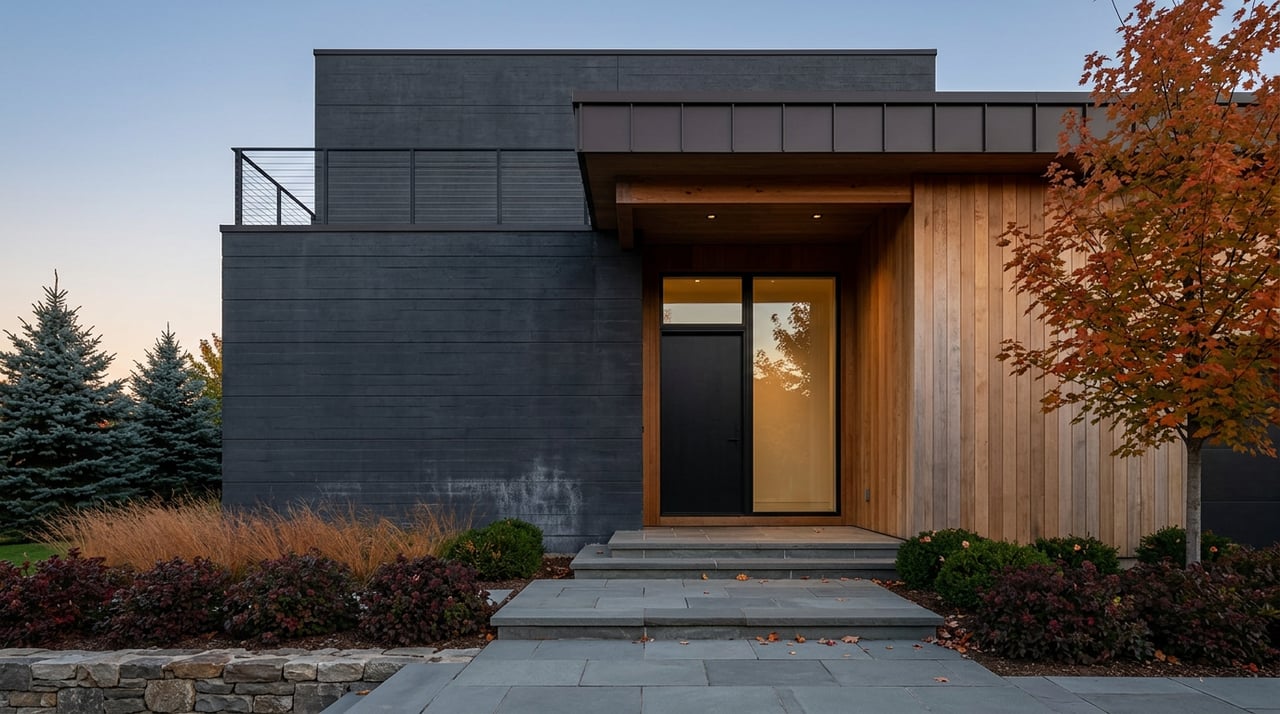
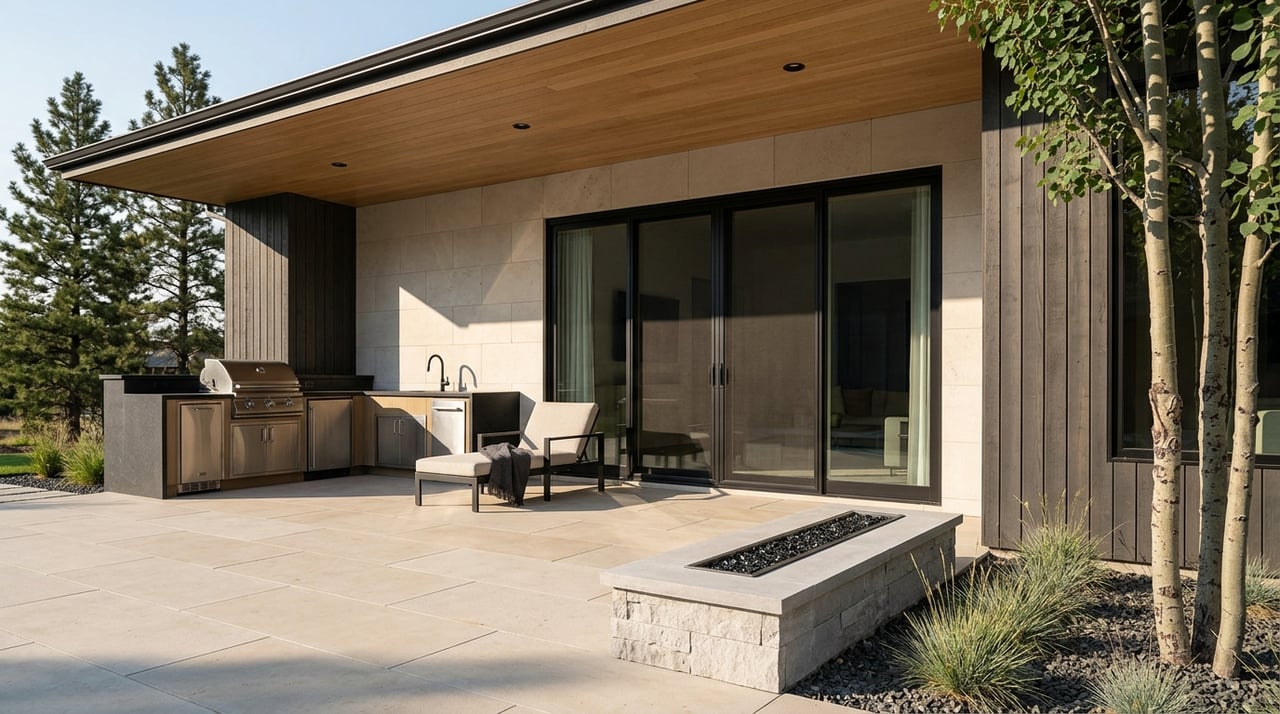
Wondering why some Colorado backyards feel inviting in every season while others sit empty for half the year? In Denver, outdoor living works best when it is designed for real life, not just for a few warm weekends. If you are updating your home for your own enjoyment or thinking ahead to resale, the right outdoor choices can add comfort, function, and broad buyer appeal. Let’s dive in.
Why Outdoor Living Matters in Denver
Denver’s climate makes outdoor space especially valuable, but it also shapes how that space should work. According to NOAA climate normals for Denver International Airport, the area has an annual mean temperature of 51.2°F, warm summer highs, cool winter lows, and just 14.48 inches of annual precipitation each year.
That mix creates opportunity across much of the calendar. It also means the most successful outdoor spaces usually include shade, shelter, and some level of weather protection instead of feeling like a summer-only setup.
Water use is another major factor in Denver design. Denver Water describes the region as semi-arid and notes that outdoor watering accounts for about 50% of single-family residential water use, which is why lower-water landscapes and efficient irrigation matter so much here.
Start With a Covered Gathering Space
If you want one idea that consistently fits Colorado homes, start with coverage. Covered patios, pergolas, and patio covers help block intense sun, soften wind, and make the space more usable through Denver’s shoulder seasons.
They also help your backyard feel like a true extension of your home. Instead of placing a few chairs on an open slab, you create an outdoor room that supports dining, reading, entertaining, or simply enjoying a quiet evening outside.
For Denver homeowners, this is often the foundation that makes everything else work better. Once you have shade and structure, it becomes easier to add furniture, lighting, and seasonal touches that feel intentional.
Smart ways to make it usable
A covered outdoor area does not need to be oversized to feel effective. What matters most is that it supports how you actually live.
Consider features like:
- A dining table with enough clearance to move comfortably
- Lounge seating grouped for conversation
- Overhead lighting for evening use
- A ceiling fan or portable heater if appropriate for the setup
- Durable materials that can handle sun, snow, and temperature swings
Add Flexible Four-Season Features
One reason Colorado-inspired outdoor living stands out is flexibility. Spaces that can adapt to changing weather often get used far more than fixed designs with no protection.
Research highlighted growing interest in screened-in porches, motorized patio shades, and four-season spaces. In Denver, those features make sense because spring and fall can bring big swings in temperature, sun, and wind even within the same week.
A motorized shade system, for example, can make a covered patio feel more enclosed when you want relief from sun or insects. A more insulated sunroom or enclosed porch can create year-round utility while still preserving that indoor-outdoor feel.
Good candidates for flexible design
You may want to explore a more adaptable setup if your home has:
- Strong afternoon sun exposure
- Wind-prone outdoor areas
- A patio directly off the main living area
- Views you want to enjoy in more than one season
- A layout where extra entertaining space would add value
Create Distinct Outdoor Rooms
The most appealing outdoor spaces rarely feel random. NAR reports that homeowners are increasingly organizing yards into separate zones for cooking, dining, relaxing, gardening, and activity.
That approach works especially well in Denver homes because it gives structure to the yard without requiring a massive footprint. Even a moderate backyard can feel more elevated when each area has a clear purpose.
You might have a dining zone under a pergola, a lounge area anchored by a fire feature, and a smaller side space for container gardening or morning coffee. The result feels polished, easy to use, and visually balanced.
A simple layout approach
If you are planning an update, think in terms of function first:
- Choose the main activity, such as dining or lounging.
- Place that zone closest to the home for convenience.
- Add a secondary feature, like a fire pit or outdoor kitchen.
- Use lighting, pavers, or planters to define each area.
- Keep circulation paths clear and intuitive.
Bring in Fire Features Thoughtfully
In Colorado, fire features do more than look attractive. They help extend the season and create a natural gathering point when evenings cool down.
Popular choices include outdoor fireplaces, dual-sided fireplaces, and fire pits. The most successful designs usually pair the fire feature with built-in or well-arranged seating, lighting, and enough space to move around comfortably.
It is also important to think beyond aesthetics. In foothill and mountain areas, wildfire-aware design is essential. Colorado State Forest Service guidance recommends a 5-foot ember-resistant zone around the home, noncombustible hardscape near the structure, routine cleanup of decks and gutters, and storing firewood at least 30 feet from the home and not on or under decks.
Make Outdoor Kitchens Practical
Outdoor kitchens are one of the clearest signs that a backyard is meant to be lived in, not just looked at. Research shows interest in features like counters, islands, sinks, ovens, electric grills, refrigerators, smokers, and pizza ovens.
In Colorado, practical design matters more than novelty. A covered or partially sheltered kitchen generally makes more sense than a fully exposed one because it offers better protection from sun, light weather, and seasonal wear.
If you are planning with resale in mind, focus on usability. A clean cooking zone, prep space, and room for guests to gather nearby will often have broader appeal than an overly specialized setup.
Outdoor kitchen ideas that fit Denver
For many homes, these features strike the best balance:
- Built-in grill with adjacent counter space
- Durable surfaces that handle temperature changes
- Covered placement or partial overhead shelter
- Task lighting for evening cooking
- Easy connection to indoor entertaining areas
Choose Water-Wise Landscaping
A beautiful Colorado yard does not need to rely on a large, thirsty lawn. In fact, Denver Water says a well-designed mixed-use landscape can target 12 gallons per square foot per year, and water-wise yards can use significantly less water than traditional bluegrass lawns.
That makes lower-water design a smart move for both lifestyle and maintenance. It can reduce water demand, support seasonal interest, and create a look that feels more natural for the Front Range.
Denver Water also recommends smart irrigation controllers, cycle-and-soak watering, and drip irrigation for beds and shrubs. Building those systems into the design early is usually more effective than trying to retrofit them later.
Water-wise ideas with curb appeal
A Denver-friendly landscape plan may include:
- Reduced turf areas
- Mixed planting beds with low-water varieties
- Drip irrigation for shrubs and planting zones
- Mulch or decorative rock where appropriate
- Hardscape that balances beauty and function
Think About Permits Early
Outdoor upgrades can be exciting, but they also come with practical steps. In Denver, permitting should be part of the conversation from the beginning.
The city classifies first-story patios, porches, decks, terraces, pergolas, and patio covers as Residential Express work, but most structural work does not qualify as a quick permit. Depending on the project scope and property location, trade permits and approvals from departments such as Wastewater, Zoning, Fire, or Landmark Preservation may also be required.
For homeowners, that means early planning can save time and stress. If you are considering a major outdoor improvement before listing or after purchase, it helps to understand the likely scope before design decisions are finalized.
Why These Ideas Appeal to Buyers
Outdoor living is not just about lifestyle. It can also influence how buyers respond to a home.
NAR reports that 92% of REALTORS recommend improving curb appeal before listing, 97% say curb appeal is important in attracting a buyer, and 98% say it matters to a potential buyer. The same research found that 68% of homeowners felt a greater desire to be at home after completing an outdoor project.
For Denver sellers, the most resale-friendly upgrades usually read as complete, low-maintenance outdoor rooms. Covered seating, durable hardscaping, integrated lighting, efficient irrigation, and clear zones for dining or lounging tend to feel useful right away.
Luxury buyers may look for more seamless indoor-outdoor flow, including covered patios, outdoor kitchens, fireplaces, and integrated lighting or sound. In Colorado, the most compelling version of that style usually balances visual impact with practical comfort.
The Colorado Takeaway
The best outdoor living ideas inspired by Colorado homes are not about copying a trend. They are about building a space that matches Denver’s climate, supports everyday use, and feels like a natural extension of the home.
That often means combining shelter, flexibility, water-wise landscaping, and comfortable gathering areas in a thoughtful way. Whether you are preparing to sell or planning a home you will enjoy for years, the strongest results usually come from design choices that feel both elevated and grounded in how people actually live here.
If you are thinking about which outdoor upgrades make sense for your property, market, or long-term goals, Tina Christensen can help you evaluate what adds the most lifestyle value and buyer appeal in Denver.
FAQs
What outdoor living features work best for Denver homes?
- Covered patios, pergolas, flexible shade systems, water-wise landscaping, fire features, and clearly defined gathering zones tend to work especially well in Denver because they support comfort across more of the year.
Why is water-wise landscaping important in Denver?
- Denver is a semi-arid region, and Denver Water says outdoor use accounts for about half of single-family residential water use, so efficient irrigation and lower-water landscapes are practical choices.
Do you need permits for outdoor projects in Denver?
- Many outdoor projects do require permits or approvals, and Denver notes that while some first-story features fall under Residential Express categories, most structural work does not qualify as a quick permit.
Are fire pits a good idea for Colorado backyards?
- Fire pits can be a great way to create a gathering space and extend outdoor use, but they should be planned with safety in mind, especially in areas where wildfire-aware design is important.
Which outdoor upgrades help resale in Denver?
- Usable, low-maintenance outdoor rooms such as covered seating areas, durable hardscaping, efficient irrigation, lighting, and dining or lounging zones often have strong buyer appeal.