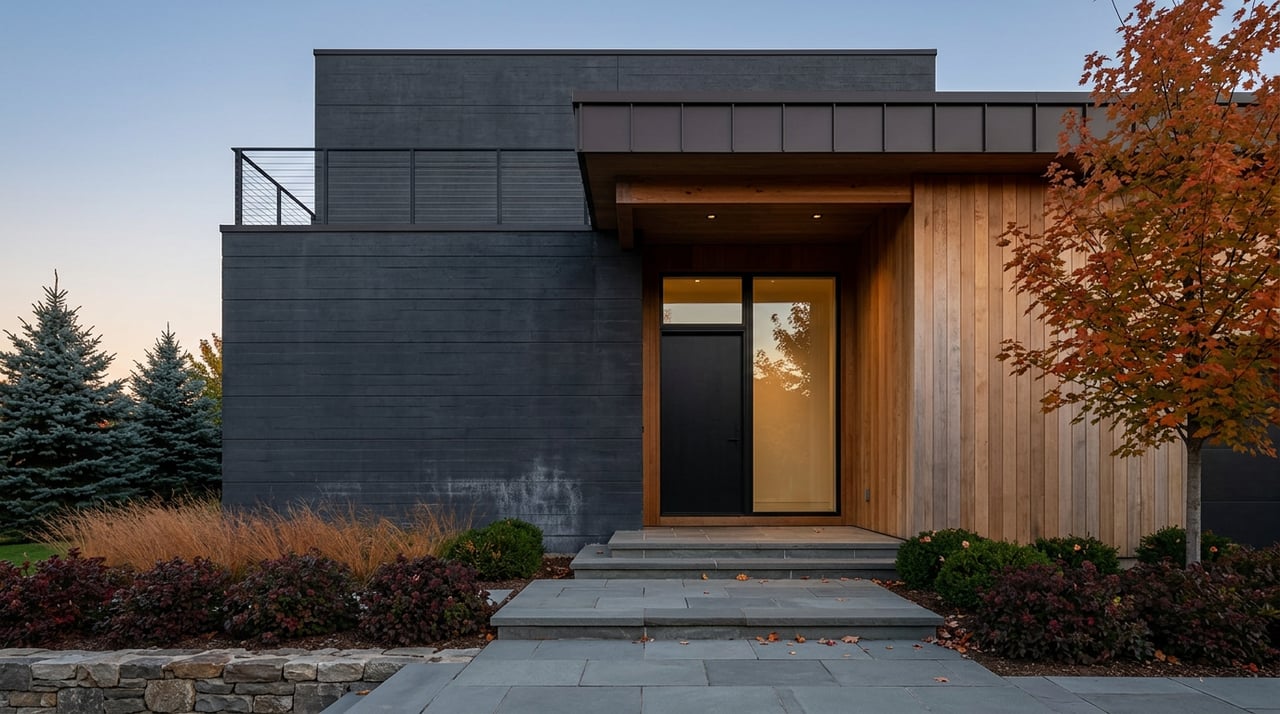
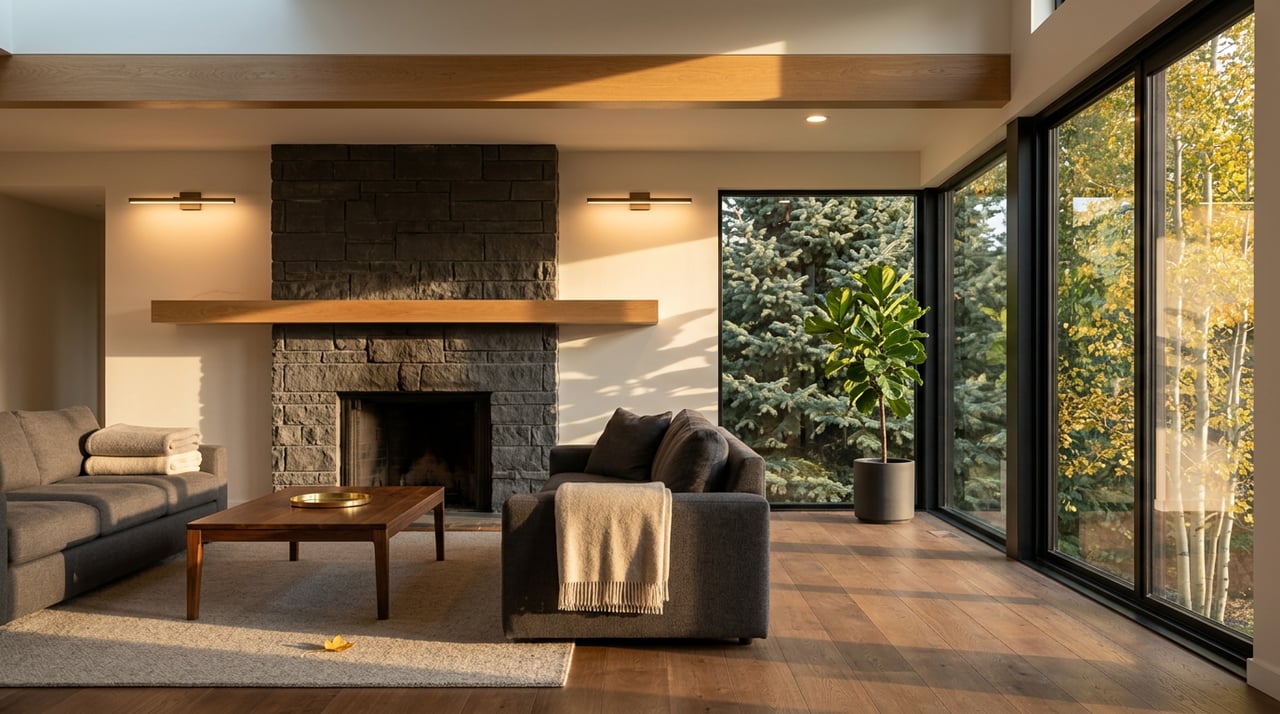
Picture two three-bedroom homes in Summit County, listed within a week of each other, priced within $20,000 of each other. Same builder era, same finishes, same distance to the lifts. A buyer comparing them on paper would call it a coin flip.
It isn't. One of these homes sits in a zone where a short-term rental license is available the day after closing. The other sits in a zone with a waitlist measured in years. Nothing on the listing says which is which. The buyer finds out after they've already fallen in love with the kitchen.
This is the part of Summit County real estate that doesn't show up in a median price chart, and it's the part that actually separates a smart purchase from an expensive lesson.
The License Stays With the Seller, Not the House
Every jurisdiction in Summit County agrees on exactly one thing: a short-term rental license does not transfer when a property sells. It doesn't matter if the home has operated as a licensed vacation rental for a decade with a five-star booking history. The new owner starts from zero and applies under whatever rules exist on the day they close, not the day the listing went live.
That single fact reframes how a buyer should read any listing that mentions rental income or an active STR license. That income belonged to the seller's license, not the house. The house itself carries no guarantee.
For a buyer weighing a Summit County purchase against carrying costs, that distinction is the whole ballgame. A property in an open zone can start generating rental revenue within weeks of closing. A property in a capped, waitlisted zone might sit as a pure-carry expense for a year or more before a license comes through, if it comes through at all during that ownership.
Same Zip Code, Different Rulebook
Here's where it gets genuinely tricky. Summit County's incorporated towns (Breckenridge, Frisco, Dillon, Silverthorne, Keystone, Blue River) each write their own STR ordinance. Everything outside those town boundaries falls under unincorporated Summit County, which runs its own separate system of overlay zones and geographic basins.
The problem is that a property's mailing address often has nothing to do with which of these rulebooks actually governs it. A home can carry a Breckenridge address and sit outside town limits entirely, subject to the county's basin caps instead. A Silverthorne-addressed property in the Wildernest area is, in reality, unincorporated county land with its own rules. The postal service doesn't know the difference, and neither does a listing description.
The only way to know for certain is to check the parcel against Summit County's GIS mapping tool before writing an offer, not after. Buyers who skip this step and assume their zone based on the address on the listing are the ones who end up surprised at the closing table, or worse, six months after it.
What the Map Actually Looks Like Right Now
Pull back from any single property and look at the county as a whole, and a clear pattern shows up: rental flexibility and regulatory certainty are unevenly distributed, town by town and basin by basin.
| Location | Current status | What it means for a buyer |
|---|---|---|
| Keystone (incorporated Feb. 2024) | No license cap, part of the Resort Overlay Zone | Clearest path to a license, and the county's lowest combined STR tax rate |
| Copper Mountain | No cap, Resort Overlay Zone | Open licensing, though a quarterly lodging surcharge applies that most booking platforms don't collect automatically |
| Dillon | No cap | Open licensing, but the highest combined STR tax rate in the county |
| Frisco | Capped at 900 licenses, at capacity | Active waitlist, with a defined annual renewal date that creates real movement |
| Breckenridge Resort & Tourism Zones | Under cap | Licenses currently available |
| Breckenridge Downtown Core & Residential Zones | Over cap on grandfathered licenses | Waitlists running from months to years |
| Blue River | Moratorium in effect since May 2026 | No new applications accepted through at least the end of the year |
| Unincorporated county basins | Mixed, several over cap | Snake River and Ten Mile basins already exceed their caps |
None of this is static. Every one of these numbers shifts as owners sell, let licenses lapse, or fail to renew. But the shape of the pattern holds: the towns built around resort cores tend to stay open, and the more residential, in-town neighborhoods tend to be the ones with waitlists.
Breckenridge Is Its Own Small Country
Of everywhere in the county, Breckenridge deserves the closest look, because it has the most internal variation. The town created its first licensing cap in November 2021, then split itself into the four zones it uses today in September 2022, and each zone now runs its own cap independently.
At a February 2026 town council update, staff reported the Resort Zone carrying 1,719 active licenses against a cap of 1,816, and the Tourism Zone carrying 1,225 against a cap of 1,680. Both were still accepting new applications with no waitlist. The Downtown Core zone told a different story, with 20 names on its waitlist as of January 2026, and the Residential zone had 205 people waiting, the largest backlog in town.
That gap between zones inside the same small town is the whole thesis in miniature. A buyer looking at "a Breckenridge property" isn't comparing one market. They're comparing four, and the zone line can run down the middle of a single street.
Frisco's Waitlist Has a Calendar Built Into It
Frisco caps its licenses at 900, roughly a quarter of the town's residential housing stock, and that cap has been reached. As of April 2026, 83 applicants sat on the waitlist with an estimated wait of 12 to 14 months.
What makes Frisco worth a second look is the mechanism behind that number. Frisco licenses all renew on the same date, April 30. If a meaningful share of current holders choose not to renew that year, whether they've sold, retired the rental, or simply moved on, the waitlist moves in a batch rather than trickling forward one name at a time. A buyer thinking about Frisco should understand that timeline going in, not assume they can list a property the week after closing.
Blue River's Moratorium Is the Newest Wrinkle
The most recent development in the county belongs to Blue River, a small town just south of Breckenridge known for larger group-sized homes and, until this year, no cap and no waitlist at all. On May 19, 2026, the town paused all new STR license applications and renewals through at least December 31, 2026 while it rewrites its ordinance from the ground up.
The underlying homes haven't changed. Blue River is still a strong fit for four-to-six-bedroom group rentals within easy reach of Breckenridge. What changed is the licensing path for anyone buying there this year. Long-term leases of 30 days or more remain fully legal and unaffected, but anyone counting on short-term income from a Blue River purchase in 2026 needs to build the moratorium into their math, not around it.
Turning This Into a Buyer's Checklist
None of this is a reason to avoid Summit County. It's a reason to ask a different question before falling for a listing photo. Instead of "what's the rental history," ask what jurisdiction actually governs the parcel, what the current cap and waitlist status is in that specific zone or basin, and how many licenses have turned over in the past year as a rough gauge of movement.
A property in an open zone at a slightly higher price can be the better financial decision than a cheaper property sitting in a multi-year waitlist. The sale price is the number everyone compares. The license status is the number that actually determines what that price buys.
A Few Questions Worth Settling Early
If the current owner has an active STR license, can I just take it over informally until my own application clears? No. Every jurisdiction in Summit County treats operating without your own valid license as a violation, regardless of the property's rental history under a previous owner.
Does a "no cap" town mean there's nothing to check? No. Uncapped doesn't mean unregulated. Tax rates, occupancy limits, and fee structures still vary widely between towns like Dillon and Keystone even where licensing itself is open.
How often do these caps, waitlists, and moratoriums change? Regularly enough that any number in this post should be treated as a snapshot, not a permanent fact. Verifying current status directly with the governing town or county office before writing an offer is a step worth taking every time, not just once.
If you're comparing Summit County properties with rental income as part of the plan, the zone map matters as much as the floor plan. Christensen Collective works this market across Breckenridge's four zones, Frisco's waitlist, and the county's basin system regularly, and can help you read a listing for what it actually allows before you write an offer on what it looks like it allows. Schedule a personalized consultation to talk through a specific property or zone before you commit.