Wondering where luxury new construction really stands in the Denver metro right now? If you are comparing high-end communities, you are not just choosing a floor plan or a builder. You are choosing a setting, a governance structure, a long-term lifestyle, and a cost profile that can look very different from one community to the next. This guide will help you sort through the options, ask smarter questions, and focus on what matters most before you sign. Let’s dive in.
Why Denver luxury new construction stands out
Denver metro luxury new construction works best when you think of it as a collection of distinct submarkets, not one single category. In May 2026, REcolorado reported 6,002 new listings, 4,054 closed homes, 13 weeks of inventory, a median 16 days in MLS, and a median home price of $615,000.
For luxury buyers, that matters because it suggests more room to compare communities, lots, builders, and upgrade packages than during tighter market periods. At the same time, the high end still depends heavily on specific locations, lot releases, and limited opportunities within standout neighborhoods.
What defines luxury in Denver metro
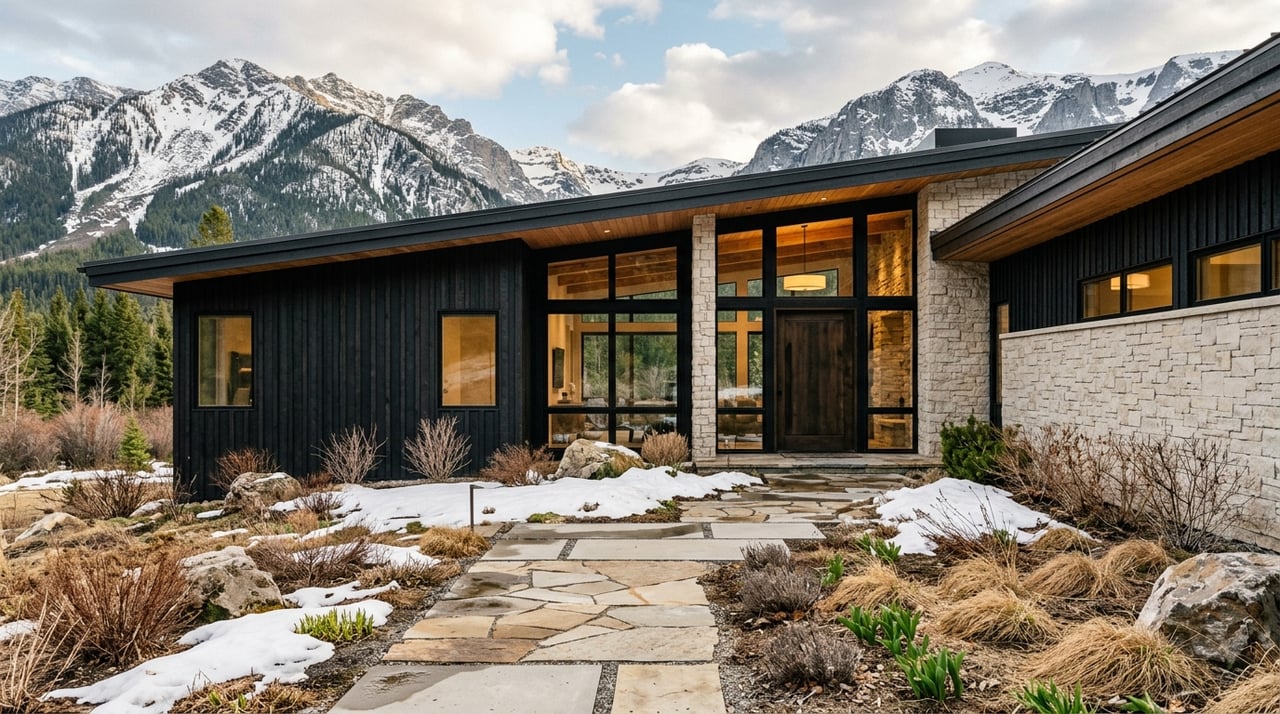
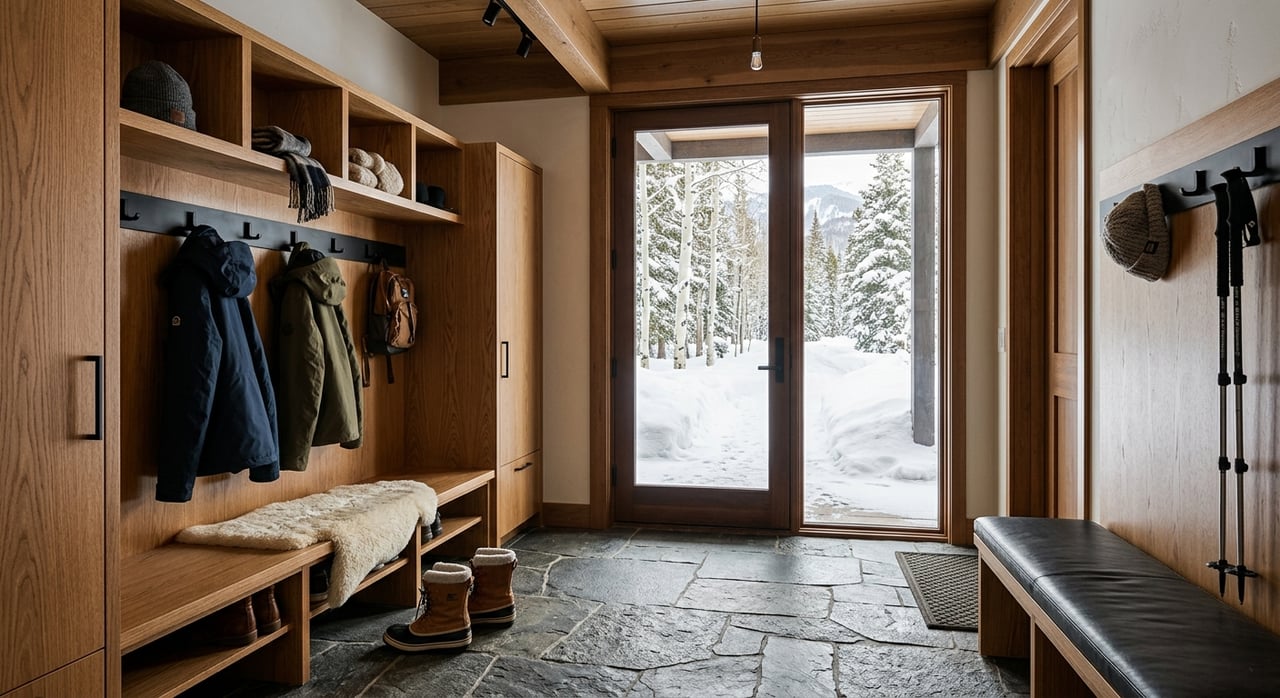
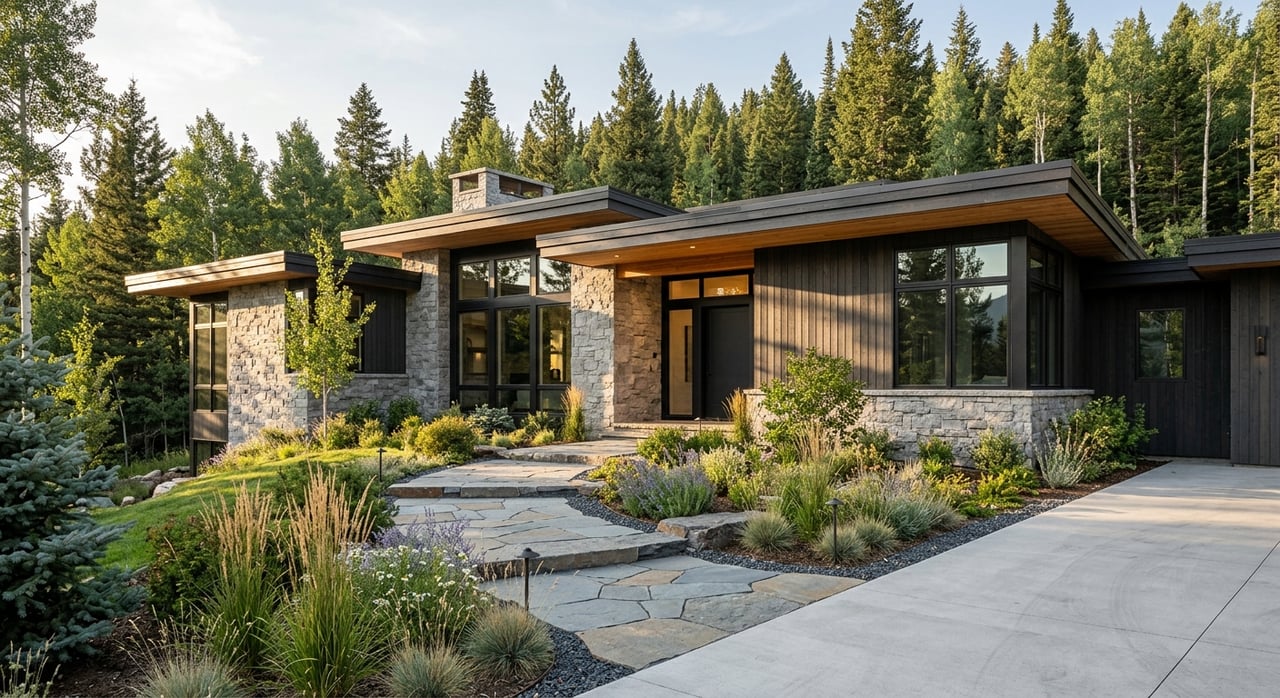
In Denver metro, luxury new construction is often about more than interior finishes. Many of the strongest communities lead with open space, privacy, trail access, ridgelines, ravines, or view corridors rather than square footage alone.
That means your decision should go beyond countertops, appliance packages, and model-home staging. In many cases, the lot, the setting, and the rules that shape the community will have just as much impact on your day-to-day experience.
Luxury community types to know
Castle Pines communities
Castle Pines offers some of the clearest examples of setting-driven luxury new construction. The Canyons is organized around ridges, ravines, preserved open space, and reservoir-adjacent areas, with roughly one-third of the community devoted to parks, trails, and open space. The planned trail system is expected to total 15 miles.
For buyers looking for a more estate-style product, Toll Brothers at The Canyons offers six designs ranging from 3,000 to 4,400 square feet, with features like up to four-car garages, main-floor primary suites, multigenerational layouts, and Design Studio personalization. The location is also marketed as about 15 minutes to the Denver Tech Center and 35 minutes to Denver International Airport.
The Summit at The Village at Castle Pines is a different kind of luxury option. It is a smaller gated enclave with 50 single-family homes on spacious lots, appealing to buyers who want a more private setting with access to Castle Rock, Lone Tree, and surrounding regional amenities.
Highlands Ranch and Littleton options
BackCountry in Highlands Ranch is a strong example of a view-oriented luxury community. It includes 467 acres of private open space adjacent to the 8,200-acre BackCountry Wilderness Area, along with custom and semi-custom lots.
Its amphitheater-style site plan was designed to create broad view corridors, including views stretching from Pikes Peak to Longs Peak and downtown Denver. If unobstructed scenery is high on your list, this kind of site planning deserves close attention.
Ken-Caryl Ranch in Littleton offers a different appeal. It is positioned as a final chance to build within a more established, amenity-rich master plan, with miles of trails and quick mountain access. Toll Brothers lists two collections there starting from $771,995 and $945,995, which may appeal to buyers who want new construction in a community with more existing services and infrastructure already in place.
Southeast Aurora growth areas
Overland Ranch in southeast Aurora is worth watching if you are comparing larger-scale new communities. The plan includes 995 homes, major builders including Toll Brothers, preserved prairie views, and access to Cherry Creek School District.
For some buyers, this type of community offers a broader range of homesites and builder choices. It can also be useful if you want a newer neighborhood environment while still comparing different price points and design packages within one larger development.
Urban infill and redevelopment
Not all luxury new construction in Denver metro sits in suburban master-planned communities. Lowry shows how new construction can also take shape through redevelopment and infill.
Boulevard One is still being developed as one of the last undeveloped areas of the former Air Force Base. Buyers there should pay special attention to governance, since the community master association requires design review for most exterior changes and some homes may also involve both master and sub-association obligations.
How to compare builders and floor plans
Luxury branding does not always mean custom construction. Toll Brothers states that it is a luxury builder, not a custom builder, while still offering many personalization options along with structural and design upgrades.
That distinction matters because a beautifully merchandised model can make it hard to tell what is actually included in the base price. Your real comparison should focus on the exact package, the standard features, and the cost of any upgrades needed to make the home match your expectations.
Ask what is really included
Before you move forward, ask for a detailed breakdown of:
- Base-price inclusions
- Site premiums
- Structural options
- Design-center upgrades
- Appliance selections
- Flooring, cabinetry, and lighting allowances
- Garage configuration and outdoor living features
A home that looks similar on paper can end up with a very different final price once lot premiums and finish upgrades are added.
Why the lot matters as much as the house
In Denver metro, lot selection can shape comfort, light, privacy, and resale potential. The U.S. Department of Energy notes that south-facing windows admit the most winter sunlight, north-facing windows create more even light with less glare, and east- and west-facing windows can increase glare and summer heat.
That makes lot orientation especially important when you are evaluating mountain views, open-space adjacency, or homes backing to trails or preserved land. A premium view lot may still have tradeoffs if future neighboring homes affect privacy, shade, or sightlines.
Look beyond the sales map
When you walk a homesite, consider:
- How the home will face the sun
- Whether nearby future homes could block light or views
- The relationship to open space, trails, or roads
- Roofline placement and window exposure
- Noise and traffic patterns within the community
These details are easy to overlook during the excitement of choosing a new build. They often become some of the most important parts of the ownership experience later.
Understand HOA and metro district costs
One of the biggest differences between Denver luxury resale and luxury new construction is the added layer of governance. In Colorado, special districts are commonly used to finance infrastructure and public facilities in larger developments, and they can levy taxes and charges as development occurs.
Colorado law also requires financial disclosures for newly constructed residences located in a metropolitan district, including debt obligations and estimated property taxes, before or at contract. That makes it important to look at the full carrying-cost picture, not just the purchase price.
What to review before signing
Make sure you understand the full monthly and annual cost stack, including:
- Mortgage payment
- Property taxes
- HOA dues
- Metro district taxes or charges
- Any sub-association dues
Community examples show why this matters. The Canyons publishes both HOA-related and metro-district-related costs, while Lowry may involve both master-association dues and sub-association obligations.
Colorado also requires annual notices about district directors, management, meetings, elections, and current taxes to be available through district websites or public records. In communities where governance is still evolving, that transparency can help you understand how the neighborhood is managed over time.
Don’t overlook design review rules
Luxury communities often protect their look and feel through design standards. That can help preserve consistency, but it can also limit what you can change after closing.
If you think you may want to add landscaping features, exterior lighting, fencing, or future additions, ask what approvals are required. Lowry is a strong reminder that even high-end buyers may face review rules for most exterior changes.
Review builder warranties carefully
Builder warranties deserve a close read. The Federal Trade Commission notes that builder warranties are different from home warranties or service contracts, and they often cover workmanship and materials for about one year, systems for about two years, and some structural defects for up to 10 years.
Just as important, warranties often exclude appliances and out-of-pocket living expenses during repairs. Before you commit, ask how claims are filed, what is excluded, and how service requests are handled after closing.
Scarcity still matters in select communities
Even in a market where buyers may have more room to compare options, limited inventory within specific luxury communities can still shape your leverage. A 50-home gated enclave like The Summit offers a very different buying dynamic than a large master plan with multiple phases.
Likewise, a community advertised as the last opportunity to build, such as Ken-Caryl Ranch, can create more urgency around timing and lot choice. If you are balancing patience against scarcity, it helps to understand where a community sits in its build-out cycle.
A smart way to evaluate Denver luxury new construction
If you want to compare communities clearly, use a simple framework. Focus on the setting, the product, the total cost, and the long-term rules that come with ownership.
A helpful checklist includes:
- Community setting and open-space access
- Lot orientation and future view impact
- Builder reputation and included features
- Upgrade costs and site premiums
- HOA, metro district, and sub-association costs
- Warranty terms and exclusions
- Design-review restrictions
- Build-out stage and remaining lot supply
When you evaluate luxury new construction this way, it becomes easier to separate true long-term value from polished marketing.
If you are exploring luxury new construction in Denver metro, the right fit usually comes from aligning your lifestyle priorities with the realities of the lot, the builder package, and the community structure. A thoughtful review on the front end can help you avoid surprises and choose a home that feels just as good in year three as it does on opening day. When you want a local guide who can help you compare the details with clarity, connect with Tina Christensen.
FAQs
What should you compare when touring luxury new construction communities in Denver metro?
- Compare the lot, open-space setting, included features, upgrade costs, HOA dues, metro district costs, warranty terms, and any design-review restrictions.
Why do metro district costs matter in Denver luxury new construction?
- Many Colorado new construction communities use special districts to finance infrastructure, and those districts can affect your total property taxes and overall carrying costs.
How does lot orientation affect a new construction home in Denver metro?
- Lot orientation can affect winter sunlight, glare, summer heat, privacy, and the long-term quality of your views, so it is worth reviewing carefully before choosing a homesite.
Are luxury builders in Denver metro always custom builders?
- No. Some luxury builders offer extensive personalization and upgrades, but they may still be production or semi-custom builders rather than true custom-home builders.
What should you ask about warranties on a Denver new construction home?
- Ask what is covered, how long coverage lasts, how claims are filed, what exclusions apply, and whether appliances or temporary living costs are included.