Open three browser tabs and search for the median home price in Cherry Creek right now, and you will get three different answers. One tells you it's $1.6 million. Another puts it closer to $1.6 million too, but with a price per square foot nearly $50 lower. A third, published in the middle of August 2026, spreads the whole neighborhood across a range from $650,000 to $1.8 million. None of these sources made an error. They are measuring three different things and calling all three of them "Cherry Creek."
If you are comparing this neighborhood to others in Denver, that gap matters more than any single number in it. The real story isn't which figure is correct. It's that a headline median can't tell you what a specific house on a specific block is worth here, because the boundary drawn around the data, the mix of housing stacked inside it, and the age of the building itself are all moving independently, and one of them is about to move a lot.
The boundary is doing more work than the data
"Cherry Creek" means different things depending on who is drawing the line. The tight, walkable commercial core known as Cherry Creek North runs roughly between 1st and 3rd Avenues and between University and Steele, a 16-block business improvement district built around the shopping street and the Cherry Creek Shopping Center just to its south. Some market reports use that footprint. Others use the wider residential zip code, which stretches out to include entry-level condos and blocks that never see the retail foot traffic CCN is known for.
That distinction alone explains most of the spread you'll find searching for a single answer:
| What's being measured | Reported window | What it captures |
|---|---|---|
| A rolling three-month sales window ending June 2026 | Redfin | Homes sold inside a drawn Cherry Creek boundary, median near $1.6 million, price per square foot around $498 |
| A separate 30-day sales pull from mid-May 2026 | National home-data platform | A narrower sample, median near $1.6 million but price per square foot down double digits year over year |
| A full zip-code breakdown published in August 2026 | Local market write-up | Condos starting near $500,000 pulled into the same average as single-family homes over $2 million |
None of these numbers is wrong. They just answer different questions, which is exactly why leading with a single median is the wrong way to compare Cherry Creek to anywhere else.
One median, three very different housing stocks
Even inside a consistent boundary, the mix problem doesn't go away. Cherry Creek's inventory runs from entry-level condos starting around $700,000 up through penthouses that clear $10 million, all folded into the same reported average. A price per square foot near $900 shows up in some breakdowns of the neighborhood's priciest blocks, while the same guide puts the broader Cherry Creek range closer to $406 to $519 per square foot depending on property type. Both are true. They're describing different slices of the same zip code.
This is also how a report can claim something as strange as a 223.5% year-over-year jump in Cherry Creek North home prices, a figure that circulated in a January 2026 market recap. That kind of swing almost never reflects broad appreciation. It reflects a handful of ultra-luxury closings landing in a small sample and dragging the average with them. A median built on 11 or 12 monthly sales, which is roughly the volume some trackers report for the tighter Cherry Creek footprint, moves on the strength of one or two outlier transactions in a way a median built on hundreds of sales never would.
Two doors down, two different decades
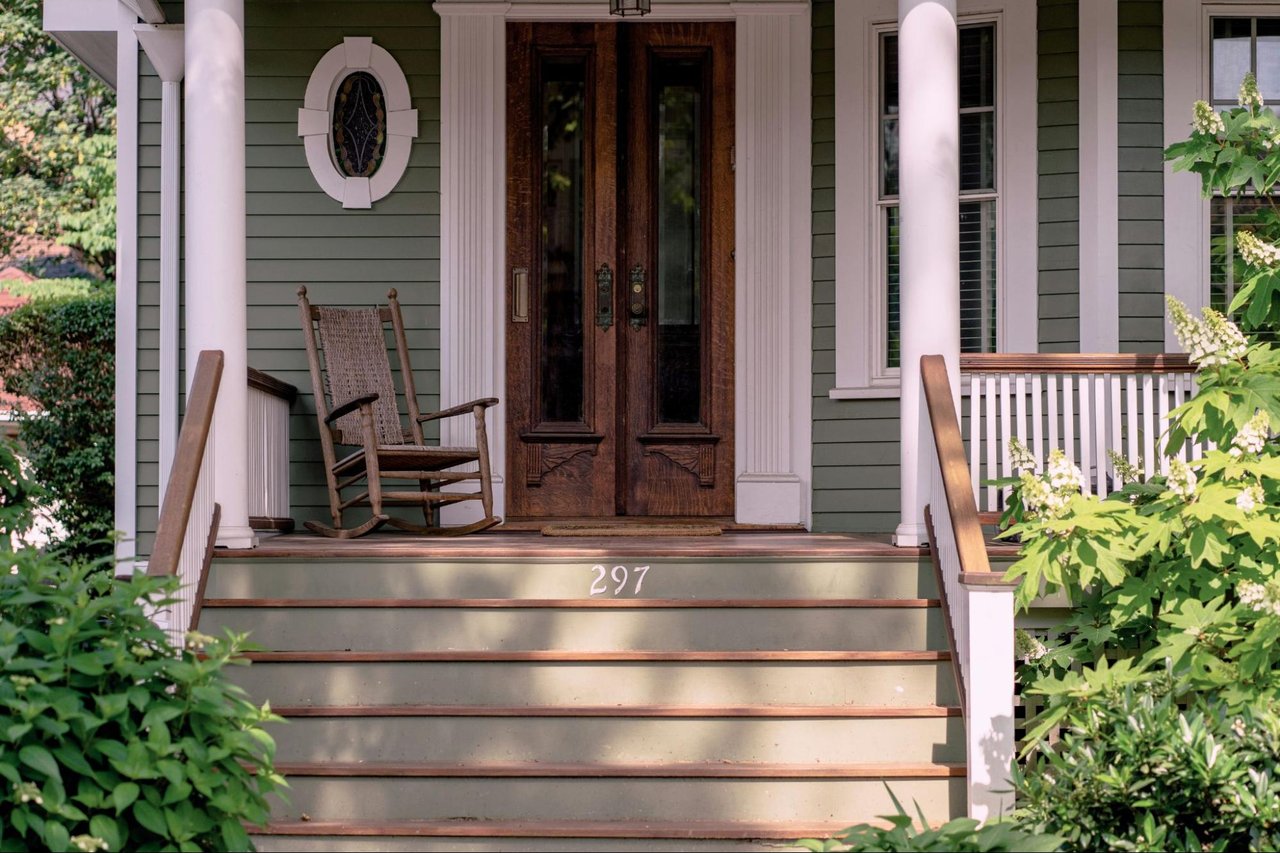
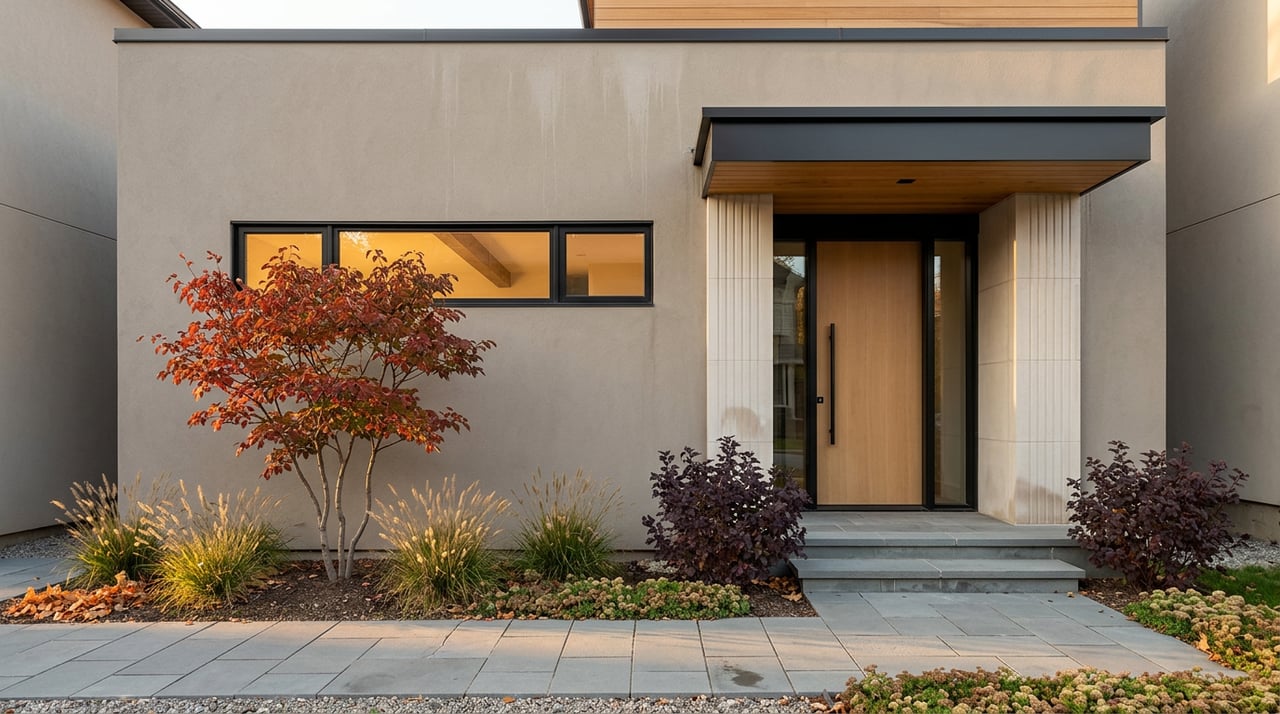
The third variable is the one a headline number can never show you: what year the house was actually built. Cherry Creek's residential streets are a genuine mix of Tudor and Colonial Revival homes built between the 1920s and 1940s, brick ranches from the 1950s and 1960s, and a growing share of contemporary rebuilds that have replaced older houses on the same blocks over the past decade. That scrape-and-rebuild pattern isn't cosmetic. It's a price-per-square-foot gap hiding inside a single street address.
A few recent transactions make the point better than any average could:
- A duplex at 411 Madison Street sold for $2,925,000 in February 2026, the highest attached sale in the area that month.
- During the 2025-2026 sales boom, a condo in the NorthCreek building closed at $666 per square foot, a record for that building, according to a local listing team's own tracking.
- A unit at 155 Steele Street sold for $1,218 per square foot during that same stretch, more than double the broader neighborhood average reported for the period.
- As far back as 2020, a duplex on Columbine Street sold at $752 per square foot above ground, a number that would still stand out as high six years later.
Put a scraped, ground-up contemporary build next to an unrenovated 1950s ranch on the same street, and you can have two "Cherry Creek" comps a block apart telling opposite stories about what the neighborhood is worth. Anyone pricing a listing or evaluating an offer here needs comps segmented by construction era, not just by zip code.
The west edge is about to change the math
If the current spread in the data feels wide, it's worth knowing the neighborhood isn't finished changing. Demolition began in March 2026 on the west side of the Cherry Creek Shopping Center, clearing the way for Cherry Creek West, a 13-acre mixed-use project from East West Partners and Ascentris. The buildings coming down included the former Elway's restaurant space and a Bed Bath & Beyond building that dated to 1953, when the shopping center first opened as an open-air retail strip. In their place, Mortenson and its joint-venture partner Saunders are building an eight-story office tower, two 13-story residential buildings, a full-block underground garage, and improvements to the Cherry Creek Trail, with the first buildings expected to open by summer 2029.
This isn't the only large project reshaping the area. A separate nine-acre redevelopment near Cherry Lane, led by PCL Construction on a design from Tryba Architects, is adding 379 market-rate apartments and more than 130,000 square feet of retail and restaurant space on top of what used to be parking structures, part of a broader wave that has added roughly 300,000 square feet of office space and hundreds of residential units to Cherry Creek North in recent years.
That pace of building is unusual enough that it shows up in the vacancy numbers, not just the construction cranes. A report from the Cherry Creek Alliance put the area's office and retail vacancy rate under 2% in a release covered in May 2026, compared to a 29% office vacancy rate downtown in 2025. Nick LeMasters, president and CEO of the Cherry Creek North Business Improvement District, described the financing environment behind that gap plainly:
"There's nothing in America like what's happening in Cherry Creek North right now, where a developer or investors can come into the neighborhood, acquire land, build an office building, get it financed and get it leased and then get it open."
None of this changes what a house is worth today. It changes what the next few years of comps will look like, as new residential density lands at the neighborhood's western edge and pulls buyer attention, and inventory, along with it.
What this means if you're comparing neighborhoods
If you're weighing Cherry Creek against another Denver-area neighborhood, the median price you find on any single site is a starting point, not an answer. Ask for comps filtered by construction era on the specific block you're considering, not the zip code average. Ask whether the price per square foot you're being shown reflects a rebuild, an original structure, or a renovation somewhere in between. And factor in that a meaningful share of new supply, both residential and commercial, is landing on the neighborhood's west side over the next three years, which will shift where future comps come from even if it doesn't move today's price.
The number that actually tells you something isn't the median. It's the spread around it, and why that spread exists on the specific street you're looking at.
Frequently asked questions
Does "Cherry Creek" always mean Cherry Creek North? No. Cherry Creek North refers specifically to the 16-block commercial and hospitality district built around the shopping street. The broader Cherry Creek neighborhood, and the zip code many market reports use, extends well beyond that core and includes a wider mix of condos, older homes, and rebuilt properties.
Will the Cherry Creek West project affect home values before it's finished? The first buildings aren't expected until summer 2029, so any near-term effect is more about buyer perception and future inventory than an immediate price shift. It's a factor worth discussing with someone tracking the project's phased timeline, not a reason to wait or rush.
How should I compare price per square foot across different Cherry Creek listings? Ask when the structure was built or last rebuilt. A ground-up contemporary home and an original mid-century brick house on the same block can carry very different price-per-square-foot figures, and blending them into one neighborhood average erases the exact information you need to price or evaluate an offer accurately.
If you're weighing Cherry Creek against another part of Denver, or trying to make sense of what a specific listing's numbers actually mean, Christensen Collective can walk through the comps block by block. Schedule a personalized consultation to talk through what your money actually buys here right now.