
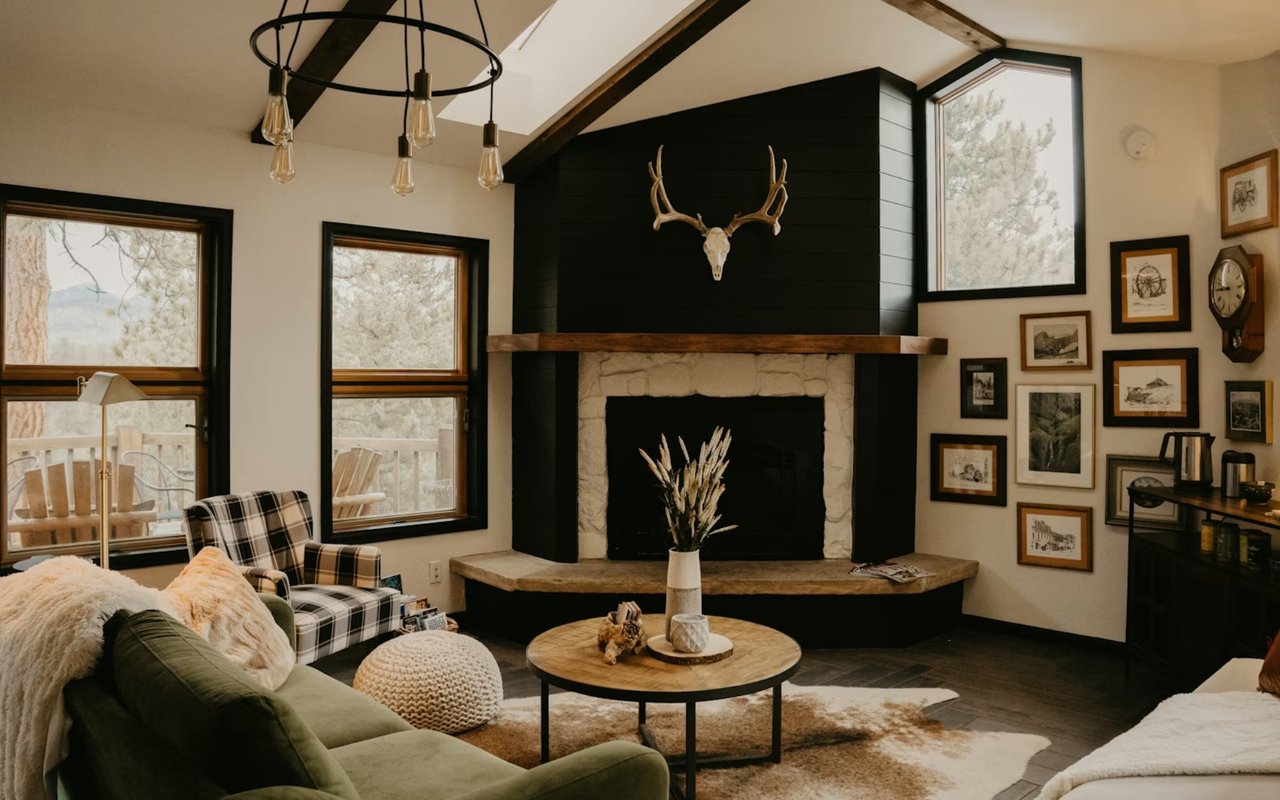
Buying a home in Colorado offers an attractive mix of mountain landscapes, modern cities, and distinct regional housing styles. The state appeals to buyers seeking everything from ski-area condos to single-family homes in suburban communities to acreage properties in quieter counties. The process requires an understanding of market conditions, geographic differences, legal requirements, and the practical steps that shape a successful purchase.
This guide outlines what buyers should know when entering the Colorado market and how to navigate each stage with confidence.
Colorado’s Regional Housing Markets
Buying a home in Colorado involves evaluating several distinct regions, each offering a different lifestyle and property type. The Front Range (including Denver, Boulder, Fort Collins, and Colorado Springs) is known for competitive markets and contemporary suburban development. Homes here often range from newer planned communities to historic districts with early 20th-century architecture.
Mountain towns such as Breckenridge, Vail, and Steamboat Springs include ski-in, ski-out condos, chalet-style homes, and modern cabins. Properties in these areas often feature elevated construction techniques, such as metal roofs and reinforced framing, that are well-suited to winter conditions. Western Slope communities, such as Grand Junction, offer ranch-style homes, vineyards, and proximity to outdoor recreation.
Mountain towns such as Breckenridge, Vail, and Steamboat Springs include ski-in, ski-out condos, chalet-style homes, and modern cabins. Properties in these areas often feature elevated construction techniques, such as metal roofs and reinforced framing, that are well-suited to winter conditions. Western Slope communities, such as Grand Junction, offer ranch-style homes, vineyards, and proximity to outdoor recreation.
Property Types Unique to Colorado
Colorado’s terrain influences what kinds of homes buyers encounter. In urban centers, lofts in converted warehouses, mid-century homes, and infill developments with clean modern lines are common. Suburban neighborhoods often feature Craftsman-style homes, contemporary farmhouses, and two-story properties on cul-de-sacs.
Those exploring rural sections of the state encounter horse properties, agricultural parcels with irrigation access, and custom homes designed to maximize views. In mountain regions, buyers often consider timber-frame construction, A-frame cabins, or lodge-inspired homes with extensive outdoor living spaces.
Those exploring rural sections of the state encounter horse properties, agricultural parcels with irrigation access, and custom homes designed to maximize views. In mountain regions, buyers often consider timber-frame construction, A-frame cabins, or lodge-inspired homes with extensive outdoor living spaces.
Colorado’s Contract and Legal Requirements
Colorado uses a standardized real estate contract approved by the Colorado Real Estate Commission, which governs timelines, contingencies, and disclosure requirements. Buyers should be aware of the due diligence deadlines listed in the agreement, as they outline the steps for inspections, title review, loan approval, and appraisal.
Disclosure laws require sellers to provide information about the property’s condition, including known structural issues, roof age, presence of lead-based paint in older homes, and the function of mechanical systems. Buyers working through the process for buying a home in Colorado should expect a detailed paper trail.
Disclosure laws require sellers to provide information about the property’s condition, including known structural issues, roof age, presence of lead-based paint in older homes, and the function of mechanical systems. Buyers working through the process for buying a home in Colorado should expect a detailed paper trail.
Elevation, Weather, and Environmental Factors
Colorado’s elevation and climate introduce factors that buyers outside the region may not anticipate. Higher elevations can influence roofing choices, window performance, and heating systems. Homes built in mountain regions often incorporate insulation upgrades, radiant heat, and materials chosen for durability.
In foothill and rural areas, properties may sit on sloped lots, which changes drainage patterns and foundation design. Snow load requirements may apply in certain counties. Buyers evaluating new construction should confirm that the building meets current regional standards for insulation and roofing. Those purchasing older homes may encounter original materials that need updating to improve energy performance.
In foothill and rural areas, properties may sit on sloped lots, which changes drainage patterns and foundation design. Snow load requirements may apply in certain counties. Buyers evaluating new construction should confirm that the building meets current regional standards for insulation and roofing. Those purchasing older homes may encounter original materials that need updating to improve energy performance.
Financing Considerations for Different Colorado Markets
Loan requirements may differ between urban and resort markets. Condominiums in ski communities often fall under stricter underwriting rules, especially if they include short-term rental programs or feature hotel-style amenities. Buyers financing a mountain condo should confirm that the community meets lending guidelines for owner occupancy and budgeting.
Jumbo financing is standard in high-value areas, such as Boulder, Vail, and Aspen, where single-family homes often exceed conforming loan limits. Rural properties with acreage may require specialized financing programs, depending on the land use and presence of outbuildings.
Jumbo financing is standard in high-value areas, such as Boulder, Vail, and Aspen, where single-family homes often exceed conforming loan limits. Rural properties with acreage may require specialized financing programs, depending on the land use and presence of outbuildings.
Inspection Priorities in Colorado’s Terrain
Inspection requirements vary across the state. In Denver and other urban markets, standard inspections typically include HVAC, roofing, sewer scope inspections, and radon testing. Colorado is known for its elevated radon levels, which are attributed to the underlying geology. Therefore, buyers should plan for a radon test, regardless of the location.
For mountain and rural purchases, additional inspections may be required. For example, properties with wells require water testing, and those with septic systems need system evaluations. Homes located near wooded areas may benefit from chimney inspections or assessments to prevent wildlife intrusion. Inspectors familiar with local conditions provide more accurate assessments of long-term maintenance needs.
For mountain and rural purchases, additional inspections may be required. For example, properties with wells require water testing, and those with septic systems need system evaluations. Homes located near wooded areas may benefit from chimney inspections or assessments to prevent wildlife intrusion. Inspectors familiar with local conditions provide more accurate assessments of long-term maintenance needs.
Colorado HOA Structures
Many Colorado homes (especially those in newer suburban developments or resort communities) are part of homeowners' associations. Buyers should review the governing documents, financial statements, reserve studies, and rulebooks before committing. Fees may cover items such as landscaping, snow removal, community centers, trail systems, or exterior maintenance.
In ski-area condos, HOA dues often include utilities, shuttle services, or on-site amenities such as pools and fitness centers. Buyers evaluating the cost of buying a home in Colorado should factor in these monthly expenses, as they contribute to long-term affordability and community expectations.
In ski-area condos, HOA dues often include utilities, shuttle services, or on-site amenities such as pools and fitness centers. Buyers evaluating the cost of buying a home in Colorado should factor in these monthly expenses, as they contribute to long-term affordability and community expectations.
Competitive Market Dynamics in Certain Regions
Colorado’s most desirable communities often experience high demand. Areas like Boulder, Cherry Creek, and Summit County can attract multiple offers in peak seasons. Buyers may encounter shorter showing windows, limited inventory, and quicker decision timelines.
Strategic preparation enables buyers to navigate competitive conditions effectively. Pre-approval, timely communication, and clear offer terms strengthen a buyer’s position. While competition varies by season, understanding how specific markets behave throughout the year equips buyers to act efficiently.
Strategic preparation enables buyers to navigate competitive conditions effectively. Pre-approval, timely communication, and clear offer terms strengthen a buyer’s position. While competition varies by season, understanding how specific markets behave throughout the year equips buyers to act efficiently.
Lifestyle Considerations That Influence the Buying Process
Colorado’s landscape encourages outdoor activities, which influences the home features buyers look for. Many properties feature mudrooms, gear storage areas, and garages large enough to accommodate equipment. In suburban and rural areas, buyers often prioritize larger lots, outdoor living areas, and proximity to trail networks.
Mountain homes often feature wraparound decks, oversized windows that frame stunning mountain views, and finishes that complement the natural surroundings. Buyers evaluating lifestyle goals alongside property features gain a clearer picture of what homes in different regions offer.
Mountain homes often feature wraparound decks, oversized windows that frame stunning mountain views, and finishes that complement the natural surroundings. Buyers evaluating lifestyle goals alongside property features gain a clearer picture of what homes in different regions offer.
Start Your Colorado Home Search with Local Guidance
Buying a home in Colorado is a rewarding process when approached with clear expectations and knowledgeable support. Each region presents its own unique architectural styles, inspection requirements, and market behaviors. Working with an expert who understands these nuances helps buyers find a property that aligns with personal preferences, seasonal patterns, and long-term plans.
Christensen Collective provides tailored guidance to buyers seeking a home in Colorado, helping you navigate neighborhoods, evaluate property types, and move confidently through every stage of the purchase process.
Interested in Colorado real estate? Contact us today and find your dream home in Colorado.
Christensen Collective provides tailored guidance to buyers seeking a home in Colorado, helping you navigate neighborhoods, evaluate property types, and move confidently through every stage of the purchase process.
Interested in Colorado real estate? Contact us today and find your dream home in Colorado.